A Complete Guide to Robot Vacuum Cleaners: Knowledge, Insights & Smart Cleaning Tips
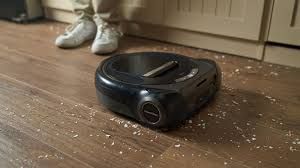
Understanding Robot Vacuum Cleaners Robot vacuum cleaners are autonomous cleaning devices designed to automatically clean floors without human assistance. They use sensors, navigation systems, and suction technology to detect dirt, avoid obstacles, and return to charging docks when the battery is low. These machines were developed to simplify routine cleaning and help homeowners maintain a hygienic environment effortlessly.
Originally introduced in the early 2000s, robot vacuums have evolved from simple circular machines that randomly moved across floors into highly intelligent devices capable of mapping entire homes, detecting floor types, and even connecting to smart home systems. Their purpose is to make everyday cleaning more efficient and convenient, particularly for people with busy schedules.
Why Robot Vacuum Cleaners Matter Today
In modern homes, cleanliness is more than aesthetics—it’s about maintaining a healthy living space. The rise in urban lifestyles, long working hours, and limited free time has increased the need for automation in household chores. Robot vacuum cleaners play a key role in this transformation by providing an effortless cleaning solution.
They are particularly beneficial for:
-
Busy professionals who struggle to find time for daily cleaning.
-
Elderly individuals or people with mobility challenges who need a hands-free option for home maintenance.
-
Pet owners dealing with constant shedding and dander.
-
Tech-savvy homeowners seeking integration with smart home systems.
Additionally, their ability to maintain consistent cleanliness helps reduce allergens, dust, and bacteria—factors that directly impact indoor air quality and health. In a world increasingly focused on hygiene, these devices offer practical support for maintaining wellness within living spaces.
Latest Developments and Technology Trends
Over the past year, robot vacuum technology has seen several advancements aimed at improving efficiency, intelligence, and connectivity.
Key Innovations (2024–2025):
| Innovation | Description |
|---|---|
| AI-Powered Navigation | Modern robot vacuums now use AI and LiDAR mapping to create real-time floor maps and detect objects such as cables or socks, reducing cleaning errors. |
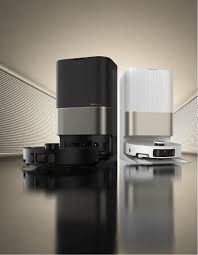
| Self-Emptying Dustbins | Models from 2024 introduced larger bases that automatically empty the dustbin, allowing weeks of operation without user intervention. |
| Mopping Hybrid Systems | Vacuum-mop combinations gained traction, offering dual functionality for wet and dry cleaning. |
| Smart Home Integration | Integration with Google Home, Alexa, and Apple HomeKit allows voice commands and scheduling through apps. |
| Energy-Efficient Motors | Newer models consume less power while maintaining higher suction, aligning with sustainability goals. |
According to consumer technology reports in early 2025, brands are focusing on sustainable designs—using recyclable materials and longer-lasting batteries to reduce electronic waste. Many devices now include app-based monitoring systems that track cleaning history, energy use, and maintenance needs.
Regulations and Safety Policies
While robot vacuum cleaners are generally safe for household use, several countries, including India, the United States, and European nations, have implemented regulations to ensure product safety and energy efficiency.
Relevant Guidelines:
-
Bureau of Indian Standards (BIS): Sets quality and electrical safety standards for household appliances, including robot vacuums sold in India.
-
EU Ecodesign Directive: Requires manufacturers to design products with minimal environmental impact and maximum energy efficiency.
-
FCC and CE Certifications: Ensure compliance with electronic interference and safety requirements in North America and Europe.
-
Battery Safety Regulations: New lithium-ion standards implemented in 2024 require safer battery management systems to prevent overheating or fire risks.
Consumers are encouraged to look for certified models to ensure safety, durability, and compliance with environmental standards.
Tools, Apps, and Helpful Resources
Several tools and platforms enhance the performance and management of robot vacuum cleaners:
-
Smartphone Apps:
-
iRobot Home App – Offers mapping, scheduling, and cleaning history.
-
Xiaomi Mi Home – Controls multiple devices, including robot vacuums and smart lights.
-
Ecovacs Home – Provides zone cleaning and custom scheduling options.
-
-
Web Resources:
-
EnergyStar.gov – Offers energy-saving guidelines for household electronics.
-
Consumer Reports – Publishes unbiased reviews and testing data for robot vacuum models.
-
BIS Certification Database – For verifying product compliance in India.
-
-
Useful Tools for Maintenance:
-
Filter cleaning brushes and side brushes to maintain suction efficiency.
-
HEPA filter replacements for better air quality.
-
Mobile cleaning logs to track cleaning frequency and performance trends.
-
Example Table: Common Robot Vacuum Features Comparison
| Feature | Entry-Level Models | Mid-Range Models | Advanced Models |
|---|---|---|---|
| Navigation | Random Path | Gyro Mapping | AI + LiDAR Mapping |
| Battery Life | 60–90 mins | 120–150 mins | 180+ mins |
| Connectivity | Basic | Wi-Fi | Smart App + Voice Control |
| Maintenance | Manual | Semi-Automatic | Self-Emptying |
This comparison shows how different models cater to varying needs and budgets, helping users make informed decisions about their cleaning systems.
Frequently Asked Questions
Q1: How does a robot vacuum cleaner detect dirt and obstacles?
Most robot vacuums use infrared or laser-based sensors to identify dirt particles and map surroundings. Advanced models employ AI vision systems to detect furniture, walls, and even human presence.
Q2: Can robot vacuums clean carpets and hard floors equally well?
Yes, most models adjust suction power automatically when moving between carpeted and hard surfaces. However, models with strong suction (over 2500 Pa) perform better on thick carpets.
Q3: How often should filters and brushes be cleaned?
Filters should typically be cleaned every week and replaced every 2–3 months. Brushes can be cleaned after every few cleaning sessions to prevent tangling from hair or threads.
Q4: Are robot vacuum cleaners safe for pets?
Yes, they are generally safe. Many models include pet-friendly modes and quiet operation settings to avoid startling animals.
Q5: Can robot vacuums work without Wi-Fi?
Yes, basic models operate without Wi-Fi. However, connectivity enables additional features like smart scheduling, app control, and mapping reports.
Conclusion
Robot vacuum cleaners have transformed home cleaning into an automated, efficient, and eco-friendly process. With continual innovation, these devices are becoming smarter, quieter, and more reliable. Whether used in apartments, large homes, or office spaces, they represent the growing trend toward intelligent living solutions.
As technology continues to evolve, robot vacuums will play an increasingly central role in sustainable home management—offering cleaner spaces, reduced effort, and a smarter way to maintain hygiene in everyday life.