Bicycle Rentals Explained: Deep Dive into Rental Options, Safety & Policies
Bicycle rentals are systems that allow individuals to use bicycles for short-term or temporary travel without owning one. They exist to provide flexible, accessible, and convenient mobility options in urban areas, tourist destinations, and recreational zones. Bicycle rentals support everyday transportation needs as well as leisure and sightseeing activities.
As cities grew denser and transportation demands increased, bicycles became a practical solution for short-distance travel. Rental models developed to reduce barriers such as storage, maintenance, and ownership responsibilities. Today, bicycle rentals are part of broader mobility ecosystems, complementing public transport and supporting active travel lifestyles.
Importance: Why bicycle rentals matter today
Bicycle rentals play an important role in modern transportation and lifestyle choices. This topic matters because it affects:
-
Urban commuters seeking short-distance mobility
-
Tourists exploring cities efficiently
-
Communities aiming to reduce congestion
-
Individuals interested in active and outdoor travel
Bicycle rentals help solve problems such as limited parking, traffic congestion, and first-mile or last-mile connectivity. They also encourage physical activity and support environmentally conscious transportation habits. In many cities, rental bicycles are now a visible and integrated part of daily movement.
Recent updates and trends
Over the past year, bicycle rental systems have continued to evolve. In early 2024, many cities expanded dockless and app-based bicycle rental models, making access more flexible across neighborhoods.
By mid-2024, integration with public transportation apps became more common. Users could view bike availability alongside buses and trains, improving travel planning. Improved bicycle tracking and locking technology also enhanced security and availability management.
Entering 2025, increased focus was placed on safety features and maintenance transparency. Rental operators emphasized regular inspections, clearer usage instructions, and improved visibility equipment such as lights and reflectors.
Laws, policies, and regulatory considerations
Bicycle rentals operate under local transportation, traffic, and public safety regulations. These rules vary by location but generally cover:
-
Road usage and cycling lane access
-
Helmet and safety equipment guidelines
-
Parking and docking requirements
-
Liability and user responsibility rules
Some cities regulate where rental bicycles can be parked, while others define speed limits or restricted zones. Understanding local cycling laws helps users operate rental bicycles responsibly and safely within public spaces.
Types of bicycle rental options
Bicycle rentals are available in several formats, designed to suit different use cases.
Common rental options
-
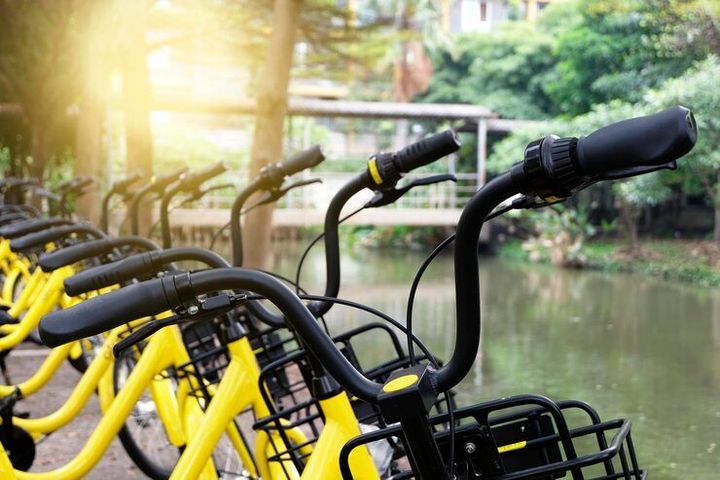
Docked bike-sharing systems
-
Dockless or app-based bicycles
-
Short-term hourly rentals
-
Daily or multi-day rentals
-
Tourist and recreational bike rentals
Each option varies in availability, flexibility, and intended usage.
Comparison overview: docked vs dockless bicycle rentals
| Aspect | Docked rentals | Dockless rentals |
|---|---|---|
| Parking | Fixed stations | Flexible zones |
| Access | Station-based | App-based |
| Availability | Predictable | Area-dependent |
| Urban integration | Structured | Flexible |
| Regulation | Strict | Varies by city |
This comparison highlights how rental models differ in structure and user experience.
Safety considerations when using bicycle rentals
Safety is a key aspect of bicycle rental usage. Rental systems are designed for public use, but responsibility is shared between providers and riders.
Key safety considerations
-
Check brakes, tires, and lights before riding
-
Use appropriate safety gear where recommended
-
Follow local traffic rules and signals
-
Ride within designated cycling areas when available
-
Stay aware of pedestrians and vehicles
Practicing these habits reduces risk and supports safer shared road environments.
Understanding rental policies and user responsibilities
Rental policies outline how bicycles should be used and returned. These policies help maintain system availability and safety.
Common policy elements include usage duration limits, parking rules, responsibility for damage, and reporting procedures for issues. Clear policies help ensure fair access and consistent operation for all users.
Users are generally expected to operate bicycles responsibly and report maintenance concerns promptly.
Role of technology in bicycle rentals
Technology is central to modern bicycle rental systems. Mobile applications allow users to locate bicycles, unlock them, and track usage duration.
GPS tracking supports fleet management and helps prevent loss or misuse. Digital platforms also provide safety instructions, route suggestions, and local riding guidelines, improving overall user experience.
Bicycle rentals and urban mobility
Bicycle rentals contribute to urban mobility by providing short-distance transport that complements walking and public transit. They are often used for connecting transit stops to final destinations.
By reducing reliance on motorized transport for short trips, bicycle rentals support smoother traffic flow and more efficient city movement. Many cities consider them an essential part of sustainable mobility planning.
Tools and resources supporting bicycle rental use
Several tools and resources help users navigate bicycle rental systems safely and efficiently.
Helpful tools and resources include:
-
Mobile apps for locating and unlocking bicycles
-
City cycling maps and lane guides
-
Traffic and route planning tools
-
Safety education resources
-
Local cycling regulations summaries
User support overview
| Resource focus | Purpose |
|---|---|
| Rental apps | Access and tracking |
| Cycling maps | Route safety |
| Planning tools | Trip efficiency |
| Safety guides | Risk awareness |
Challenges and considerations
Bicycle rentals face challenges such as uneven availability, parking clutter, and varying rider experience levels. Weather conditions and infrastructure quality also influence usability.
From a user perspective, adapting to local traffic patterns and understanding rules are key considerations. Awareness and responsible use help address these challenges and support smoother system operation.
Frequently asked questions
Are bicycle rentals suitable for beginners?
Yes. Most rental bikes are designed for easy and stable use.
Do rental bicycles require special training?
No formal training is required, but basic cycling skills are important.
Is safety equipment included with rentals?
This varies by location. Users should check local guidelines.
Can bicycle rentals be used for commuting?
Yes. Many people use them for short daily travel.
Are bicycle rentals available in all cities?
Availability depends on local infrastructure and policies.
Conclusion
Bicycle rentals provide a practical and accessible way to navigate cities, explore destinations, and support active lifestyles. Through different rental models, safety practices, and technology-enabled access, they address modern mobility needs effectively.
Understanding rental options, safety considerations, policies, and local regulations helps users make informed decisions. As cities continue to prioritize flexible and sustainable transport, bicycle rentals will remain an important component of everyday mobility and urban living.