Explore Boat Rental Basics: A Complete Overview with Expert Advice
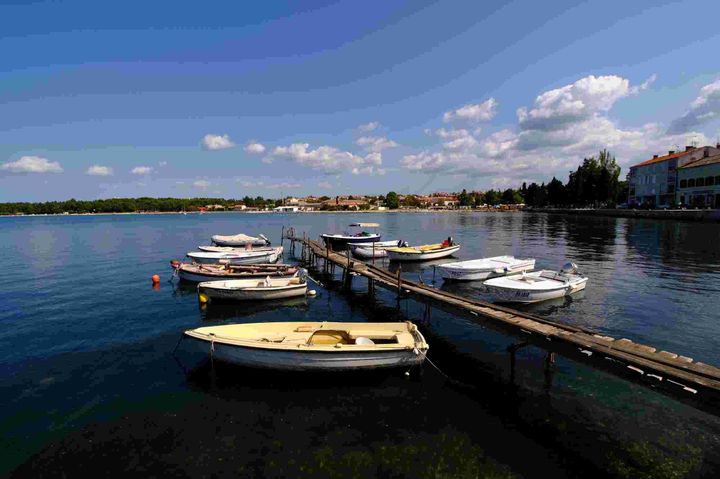
Boat rental basics refer to the essential knowledge needed before operating or renting a vessel for recreation, travel, or exploration on water bodies. It exists because many individuals participate in leisure boating, coastal tourism, inland waterway travel, and general recreational navigation without owning a boat. Understanding these basics helps create a safe, predictable, and responsible experience on lakes, rivers, and coastal regions.
The concept has grown as waterways became accessible to the public and as tourism evolved to include water-based activities. Today, people engage with many types of recreational vessels such as kayaks, pontoons, sailboats, and motorboats. Because operating a vessel involves navigation rules, weather awareness, and safety requirements, basic knowledge ensures that users are prepared before going on the water.

Recreational boating is widespread in regions like the United States, Europe, Australia, India, and Southeast Asia, where large coastlines and inland waterways encourage exploration. Even newcomers benefit from understanding standard procedures, essential equipment, and operational guidelines that apply to most types of boats.
Importance
Boat rental fundamentals matter because they protect users, waterways, and the wider boating community. They help individuals understand how to prepare for weather changes, manage navigation responsibilities, follow safety protocols, and use marine tools effectively.
This knowledge affects:
-
Recreational travelers exploring lakes and coasts
-
Beginners learning how to navigate
-
Families choosing safe boating environments
-
Tourism-focused regions promoting water-based activities
-
Local authorities maintaining responsible boating systems
It solves several challenges, including:
-
Safety concerns through life jacket awareness, emergency planning, and marine safety regulations
-
Navigation issues by educating on markers, right-of-way rules, and coastal navigation tips
-
Weather unpredictability with guidance on monitoring systems and alerts
-
Environmental protection through responsible boating practices that reduce disturbances
-
Compliance clarity by helping individuals understand regional boating rules and documentation
In essence, boat rental basics empower people to enjoy the water with confidence, clarity, and responsibility.
Recent Updates
Recreational boating has seen notable developments over the past year. Several trends have shaped how beginners and experienced boaters approach safety and navigation.
-
June 2024: Many regions introduced stronger focus on life jacket requirements during high-activity months, especially after increases in water-based tourism.
-
2024–2025: Weather monitoring systems, such as marine forecasting apps and satellite-based alerts, became more accurate and widely used.
-
2024: Digital navigation charts improved accessibility worldwide, allowing users to access updated mapping information even offline.
-
Late 2023 to mid-2024: Eco-friendly boating gained global attention, with a shift toward awareness on fuel-efficient operations and reduced water pollution.
-
2024: Boating authorities strengthened their emphasis on training modules and educational guidelines for recreational boaters to support safe navigation.
These developments highlight the growing importance of informed boating practices, especially as more people participate in coastal travel and inland water recreation.
Laws or Policies
Laws related to recreational boating vary by country, but several common principles apply globally. Understanding these regulations ensures safe navigation and compliance.
Most regions include:
-
Mandatory safety equipment rules
Requirements typically include life jackets, navigation lights, distress signals, and fire extinguishers. -
Operator age guidelines
Many countries provide minimum age limits for operating motorized boats. -
Marine safety regulations
These include speed limits, restricted zones, and right-of-way rules. -
Documentation requirements
Examples include identity verification, vessel registration proof, or temporary operator permits depending on regional law. -
Environmental protection policies
Rules may include guidelines on waste handling, fuel management, and wildlife protection in coastal or inland zones. -
Navigation compliance
Boaters must follow buoy markings, channel signals, and hazard notifications.
Some regions require boating education modules; others only provide optional training. Regardless of the country, the purpose of these rules is to protect individuals and preserve water environments.
Tools and Resources
Beginners benefit greatly from reliable tools that support planning, navigation, and safety. These digital and physical resources help monitor conditions, understand boating regulations, and prepare for recreational outings.
Useful Tools and Apps
-
Weather monitoring tools such as marine forecast platforms
-
Digital navigation charts that update inland and coastal routes
-
Tide and current apps for coastal travel
-
Compass and GPS tools supported on mobile devices
-
Life jacket checklists for ensuring proper equipment
Regulation and Knowledge Resources
-
Boating safety guidelines provided by national maritime authorities
-
Navigation rule summaries explaining markers and signals
-
Marine insurance insights for understanding risk management
-
Environmental compliance information for responsible boating
Planning Resources
-
Checklists for essential equipment
-
Navigation planning templates
-
Weather and route comparison charts
Table: Common Navigation Markers and Their Meanings
| Marker Type | Color or Shape | Meaning |
|---|---|---|
| Lateral Marker (Port) | Red | Keep this marker on your left when returning from sea |
| Lateral Marker (Starboard) | Green | Keep this marker on your right when returning from sea |
| Safe Water Mark | Red and white stripes | Indicates clear and safe water all around |
| Hazard Marker | Black and yellow | Marks danger or obstruction |
| Special Purpose Marker | Yellow | Indicates specific areas such as recreation or anchoring zones |
FAQs
1. What should beginners know before using a recreational boat?
Beginners should understand basic navigation rules, safety equipment requirements, weather monitoring practices, and operational guidelines. Learning the meaning of navigation markers and checking marine safety regulations helps ensure a safe experience.
2. Do navigation rules differ from one region to another?
Yes, some rules vary by country or local authority, especially regarding restricted zones and operational times. However, basic concepts such as right-of-way principles and marker systems remain similar across most regions.
3. Is training required before operating a recreational boat?
Many regions encourage boating education modules, and some require them for motorized vessels. Training provides essential knowledge on safety, environmental care, and navigation procedures.
4. Why is weather monitoring important when planning a boating trip?
Weather changes affect waves, visibility, wind control, and overall safety. Tools that track marine alerts and forecasts help prepare for stable and predictable conditions.
5. What equipment is typically required for recreational boating?
Most regions require life jackets, distress signals, navigation lights, a whistle or horn, and in some cases, a fire extinguisher. Requirements may vary depending on the type of vessel and waterway.
Conclusion
Understanding the basics of recreational boating builds confidence, promotes safety, and supports responsible interactions with coastal and inland waterways. As more people explore water-based experiences, it becomes essential to follow navigation guidelines, remain aware of weather patterns, and use reliable tools for planning and safety. With clear knowledge of marine regulations, navigation markers, and modern boating resources, individuals can enjoy water environments while respecting both community standards and natural ecosystems.