Explore Compact Sofa-Bed Units: Tips, Insights and Practical Knowledge
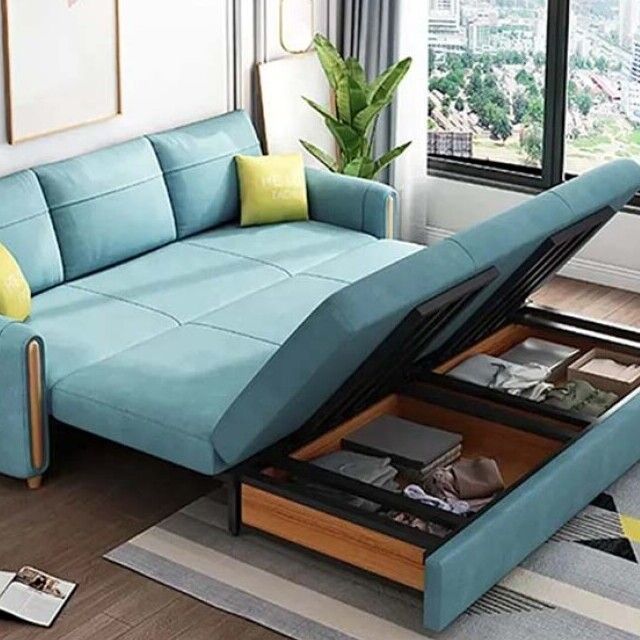
Compact sofa-bed units are multifunctional furniture pieces designed to serve both as seating and sleeping space. These units combine the structure of a sofa with a fold-out or convertible mechanism that transforms into a bed when needed. The concept developed as living environments began to shift toward smaller homes, apartments, and studio spaces where efficient furniture arrangements are essential.
Furniture designers and interior planners have long explored ways to make living spaces more adaptable. Compact sofa-bed units emerged as part of this broader movement toward multifunctional home design. By combining two functions in one structure, these units help maximize room utility while maintaining comfort and organization.
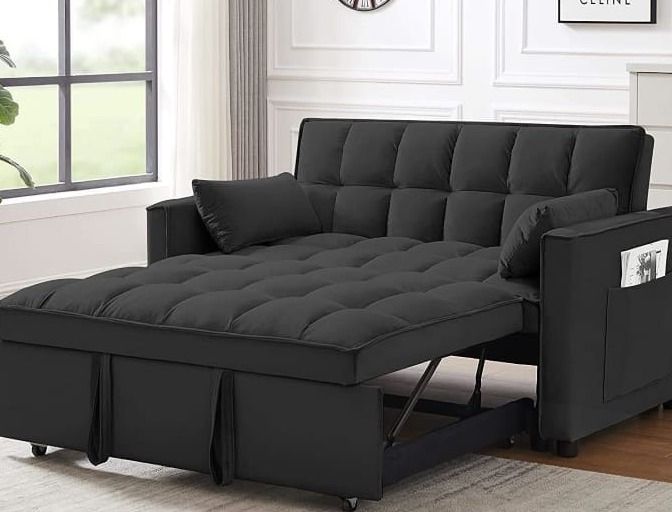
Over time, the design and engineering of sofa-bed units have evolved significantly. Early versions were often bulky or difficult to convert, but modern designs prioritize lightweight mechanisms, durable materials, and compact structures. Today’s models may include fold-out mattresses, sliding frames, or modular cushions that rearrange easily.
The idea also reflects a growing interest in smart living spaces. Interior design professionals often emphasize furniture that can serve multiple purposes. Compact sofa-bed units fit well within this philosophy, making them a common element in modern residential layouts, guest rooms, and shared living areas.
Why Compact Sofa-Bed Units Matter in Modern Living
Living spaces around the world have gradually become more compact, especially in urban environments. Smaller apartments, studio layouts, and shared housing arrangements encourage the use of furniture that performs multiple functions.
Compact sofa-bed units help address several common challenges related to space efficiency and interior flexibility.
Some of the key reasons the topic has gained attention include:
-
Space optimization: Small homes benefit from furniture that serves multiple purposes.
-
Flexible room usage: Living rooms can transform into temporary sleeping areas.
-
Guest accommodation: A sofa-bed provides a sleeping option without requiring a separate guest room.
-
Interior simplicity: Multifunctional furniture reduces clutter and furniture quantity.
-
Adaptability: Many designs allow quick changes between seating and sleeping modes.
These benefits make compact sofa-bed units relevant for a wide range of households. Students, small families, urban residents, and individuals living in studio apartments often rely on flexible furniture arrangements to manage limited floor space.
Interior designers also view multifunctional furniture as a practical approach to maintaining open layouts. Instead of filling rooms with many separate items, a single adaptable piece can support multiple activities throughout the day.
Trends and Developments in Multifunctional Furniture
Furniture design continues to evolve alongside changing housing patterns and lifestyle preferences. In recent years, several developments have shaped the design and usage of compact sofa-bed units.
One visible trend is the rise of modular furniture systems. These designs allow users to rearrange sections of the sofa to create different configurations. Some modular units include detachable cushions or sliding panels that convert the seating area into a sleeping surface.
Another development involves improved mechanical conversion systems. Modern sofa-bed units often use smooth folding frames, hidden support structures, or click-lock mechanisms that simplify the transition between sofa and bed modes.
Sustainability has also influenced furniture design discussions. Many manufacturers and designers are experimenting with recycled materials, durable fabrics, and modular parts that extend product lifespan. These changes reflect a broader shift toward environmentally conscious home design.
Technology has begun influencing furniture planning as well. Digital tools and interior design platforms now help people visualize how multifunctional furniture fits within a specific room layout.
The past year has also seen increased discussion around micro-living and flexible housing design. Urban planners and architects continue exploring ways to make smaller living spaces comfortable and practical. Compact sofa-bed units frequently appear in these design discussions because they support adaptable living environments.
Regulations and Standards Influencing Furniture Design
Furniture products, including compact sofa-bed units, are influenced by safety standards and manufacturing guidelines. These frameworks help ensure durability, structural stability, and safe materials.
Several types of standards commonly apply to household furniture:
-
Material safety regulations: These rules address chemicals, fabrics, and finishes used in furniture construction.
-
Fire safety guidelines: Upholstered furniture must meet certain flammability standards in many regions.
-
Structural testing standards: Furniture frames and mechanisms may undergo durability testing to confirm stability and load resistance.
-
Consumer safety labeling: Labels may include information about materials, care instructions, and safety warnings.
These standards are generally developed by industry organizations and regulatory bodies focused on consumer product safety. The goal is to ensure furniture used in homes meets consistent safety expectations.
Housing policies and building design trends can also indirectly influence furniture design. As urban housing becomes more compact, architects often incorporate flexible interiors that encourage the use of adaptable furniture like sofa-bed units.
Helpful Tools and Resources for Planning Compact Spaces
Planning a space that includes multifunctional furniture often benefits from digital tools and visual planning resources. These tools help users understand how a sofa-bed might fit within a room layout or how the conversion space will function.
Below is a table showing commonly used planning tools and resources.
| Tool or Resource | Purpose | Key Benefit |
|---|---|---|
| Room layout planners | Visualize furniture placement | Helps optimize limited space |
| Interior design apps | Create digital room models | Improves layout planning |
| Measurement calculators | Estimate furniture dimensions | Supports accurate placement |
| Storage planning templates | Organize multifunctional spaces | Reduces clutter |
| Home design websites | Provide layout inspiration | Offers practical design ideas |
Many interior planning apps allow users to create digital floor plans and test furniture arrangements before making layout decisions. These tools help prevent overcrowding and ensure that convertible furniture has enough space to open fully.
Another helpful resource is space-planning templates, which outline recommended clearance distances around furniture. These templates are especially useful when working with convertible items like sofa-beds that require additional room during transformation.
Example of Space Efficiency Comparison
| Furniture Type | Seating Function | Sleeping Function | Space Efficiency |
|---|---|---|---|
| Traditional Sofa | Yes | No | Medium |
| Standard Bed | No | Yes | Medium |
| Compact Sofa-Bed | Yes | Yes | High |
This comparison illustrates why multifunctional furniture often appears in discussions about efficient interior design.
Frequently Asked Questions About Compact Sofa-Bed Units
What is a compact sofa-bed unit?
A compact sofa-bed unit is a piece of furniture that functions as both a sofa and a bed. It typically includes a convertible frame or adjustable cushions that allow the seating surface to transform into a sleeping area.
How do sofa-bed mechanisms usually work?
Most sofa-bed units use one of several common mechanisms:
-
Fold-out metal frames with mattresses
-
Sliding seat platforms
-
Convertible cushion systems
-
Click-clack reclining mechanisms
Each mechanism allows the seating structure to expand or flatten into a bed configuration.
Are compact sofa-bed units suitable for small apartments?
Yes. These units are frequently used in small apartments, studio homes, and multi-purpose rooms because they combine two essential functions in one structure. This helps maximize available floor space.
What materials are commonly used in modern sofa-beds?
Common materials include:
-
Wood or metal internal frames
-
Upholstery fabrics such as polyester, cotton blends, or linen
-
Foam or hybrid mattress materials
-
Reinforced support springs or slats
These materials help provide durability while maintaining comfort in both seating and sleeping modes.
What should be considered when planning a room with a sofa-bed?
Important considerations include:
-
Room dimensions and clearance space
-
Conversion area required for the bed function
-
Seating capacity needs
-
Weight distribution and floor support
-
Accessibility and ease of conversion
Planning these factors helps ensure the furniture functions properly within the available space.
Conclusion
Compact sofa-bed units represent a practical response to the changing structure of modern living environments. As homes become smaller and interior layouts more flexible, multifunctional furniture has become an important design strategy.
These units combine seating and sleeping functions within a single structure, helping optimize space without adding unnecessary complexity to a room. Their development reflects broader trends in interior design, including modular layouts, adaptable furniture, and space-efficient planning.
Understanding how sofa-bed mechanisms work, how they fit into room layouts, and which tools support space planning can help individuals make informed decisions about interior organization.