Explore Industrial Drying Methods: Guide, Basics, and Key Insights
Industrial drying methods refer to processes used to remove moisture from materials on a large scale. Moisture removal is essential in industries such as food processing, pharmaceuticals, chemicals, agriculture, mining, and construction materials. Drying helps preserve products, improve stability, reduce weight, and prepare materials for storage, packaging, or further processing.
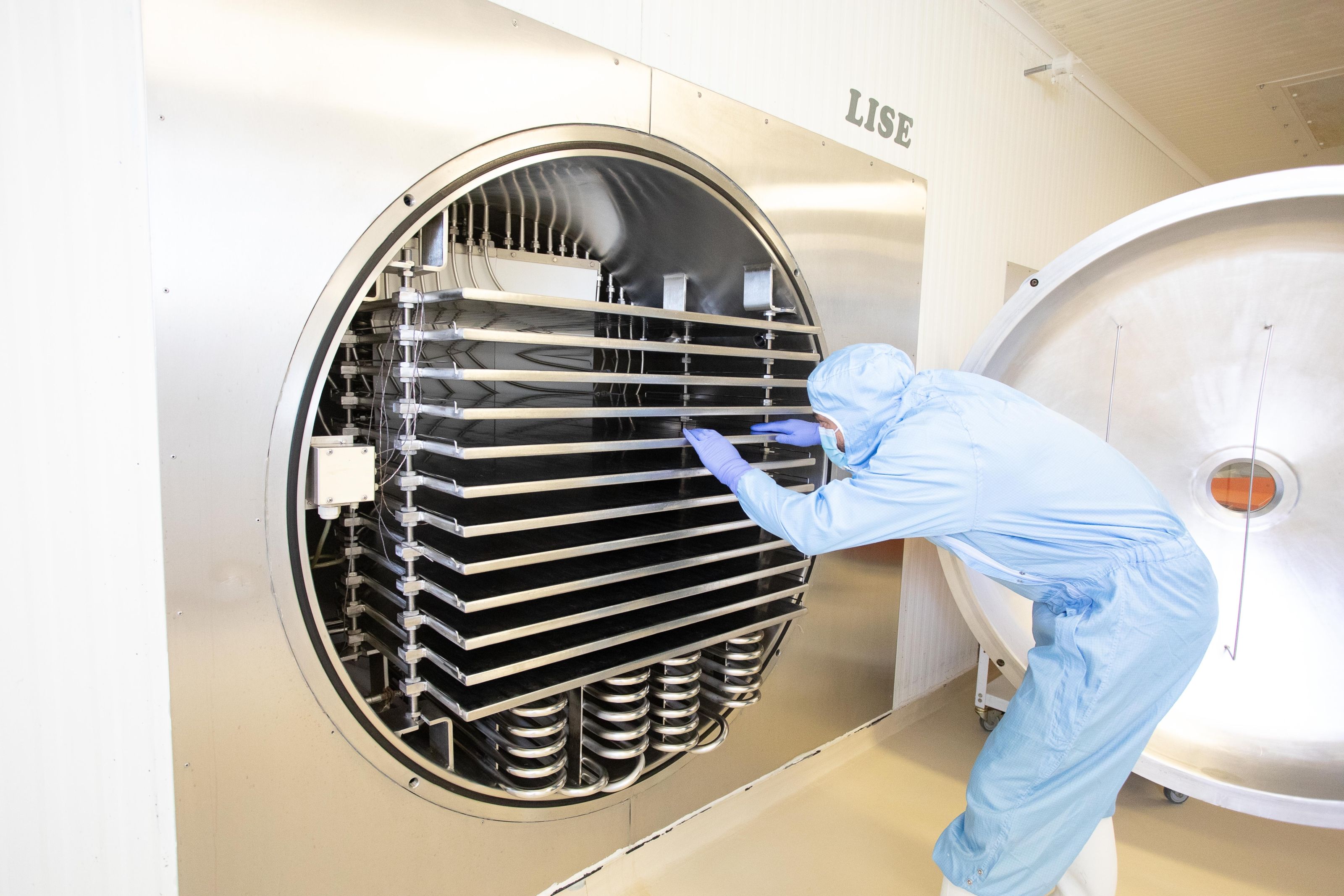
In simple terms, industrial drying is controlled moisture removal using heat, airflow, vacuum, or specialized technologies. While natural air drying is possible for small quantities, large-scale production requires engineered systems known as industrial drying equipment.
Different materials require different drying technologies. For example:
-
Powders and liquids may use spray drying
-
Granules and particles often use fluidized bed dryers
-
Heat-sensitive materials rely on vacuum drying technology
-
Bulk solids commonly use rotary drum dryers
Below are examples of common industrial drying systems used in modern manufacturing.
Spray Drying Process
The spray drying process converts liquid materials into dry powders by spraying them into a hot air chamber. The droplets dry almost instantly, forming fine particles.
This method is widely used in:
-
Food processing
-
Dairy products
-
Pharmaceuticals
-
Chemical manufacturing
Spray drying supports uniform particle size and consistent moisture control, making it a preferred industrial dehydration system for powders.
Fluidized Bed Dryer
A fluidized bed dryer suspends solid particles in a stream of hot air. The airflow causes the particles to behave like a fluid, ensuring even heat transfer.
This method is effective for:
-
Granular materials
-
Pharmaceutical ingredients
-
Agricultural products
It is known for energy efficient drying systems and consistent results.
Rotary Drum Dryer
A rotary drum dryer uses a rotating cylindrical drum to dry bulk materials. Hot gases pass through the drum while materials tumble inside.
Common applications include:
-
Minerals and ores
-
Biomass
-
Sand and aggregates
This system is widely used in heavy industries due to its durability and high processing capacity.
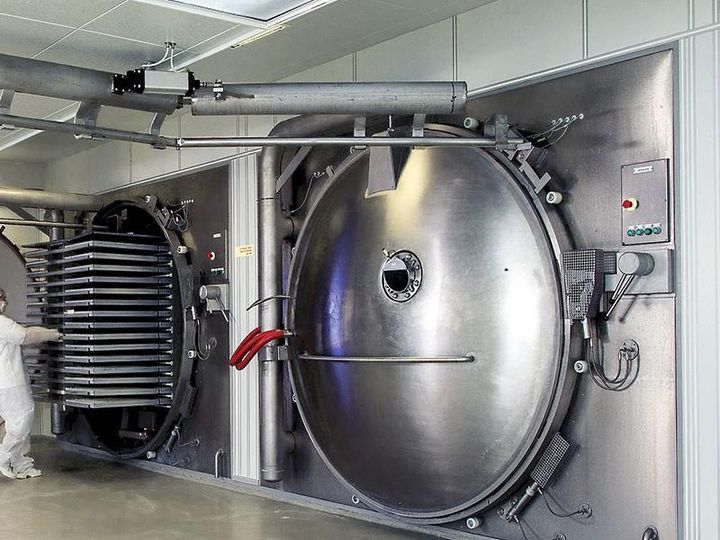
Vacuum Drying Technology
Vacuum drying technology removes moisture under reduced pressure. Lower pressure reduces the boiling point of water, allowing drying at lower temperatures.
It is suitable for:
-
Heat-sensitive pharmaceuticals
-
Specialty chemicals
-
Laboratory materials
This method supports product integrity while minimizing thermal damage.
Importance – Why Industrial Drying Matters Today
Industrial moisture control plays a crucial role in product quality and operational efficiency. Without proper drying, materials may degrade, clump, spoil, or fail to meet regulatory standards.
Key reasons why industrial drying methods matter:
-
Improved shelf stability for food and pharmaceutical products
-
Reduced transportation weight
-
Better material handling and flow properties
-
Enhanced safety by preventing microbial growth
-
Increased energy efficiency through optimized thermal processing equipment
Industries affected include:
-
Food manufacturing
-
Pharmaceutical production
-
Chemical engineering
-
Construction materials
-
Renewable energy sectors
The shift toward sustainable manufacturing has increased interest in energy efficient drying systems. Companies are focusing on reducing energy consumption, improving thermal recovery, and lowering emissions while maintaining performance.
Below is a simplified comparison of major industrial drying methods.
| Drying Method | Suitable Materials | Temperature Sensitivity | Typical Use Case |
|---|---|---|---|
| Spray Drying | Liquids & slurries | Moderate | Powder production |
| Fluidized Bed Drying | Granules & particles | Moderate | Pharmaceuticals, agriculture |
| Rotary Drum Drying | Bulk solids | Low sensitivity | Mining, aggregates |
| Vacuum Drying | Heat-sensitive products | High sensitivity | Specialty chemicals, pharma |
This comparison highlights how drying technology selection depends on material characteristics and operational requirements.
Recent Updates – Trends in Industrial Drying Technology
Industrial drying technology has evolved significantly in recent months due to advancements in automation, digital monitoring, and environmental awareness.
Key developments include:
-
Integration of smart sensors for real-time moisture monitoring
-
Adoption of artificial intelligence in thermal process optimization
-
Increased use of heat recovery systems
-
Expansion of low-temperature drying solutions
-
Greater use of hybrid drying technologies combining multiple methods
Manufacturers are also investing in data-driven drying technology guides and digital twins to simulate moisture removal before full-scale production. These digital systems help optimize airflow, temperature distribution, and energy use.
Another noticeable trend is the development of modular drying systems. These allow facilities to scale capacity more flexibly without redesigning the entire plant layout.
Environmental standards have influenced innovation in industrial dehydration systems. Energy audits and carbon reduction targets have encouraged the use of improved insulation, advanced burner systems, and waste heat reuse technologies.
Laws or Policies – Regulatory Influence on Industrial Drying
Industrial drying methods are influenced by environmental, safety, and manufacturing regulations.
Key regulatory considerations include:
-
Emission standards for thermal processing equipment
-
Energy efficiency requirements
-
Workplace safety standards
-
Food and pharmaceutical compliance guidelines
-
Environmental impact reporting
Industries using spray drying or rotary drum dryers must monitor air emissions such as particulate matter and volatile compounds. Environmental compliance frameworks typically require emission control systems like cyclones, scrubbers, or bag filters.
Pharmaceutical drying systems must follow strict validation protocols to ensure consistent moisture levels and product stability. Documentation and process validation are essential components of regulatory compliance.
Energy efficiency regulations also encourage modernization of industrial drying equipment. Companies often adopt advanced insulation, automated temperature controls, and heat recovery units to align with sustainability policies.
Tools and Resources – Helpful Platforms and Utilities
Several digital tools and technical resources support industrial drying optimization and education.
Common tools include:
-
Moisture content calculators
-
Psychrometric chart software
-
Thermal energy consumption calculators
-
Process simulation platforms
-
Engineering design templates
Educational resources can be found through:
-
Industry research publications
-
Engineering association websites
-
Technical standards documentation
-
University research portals
-
Equipment manufacturer knowledge libraries
Process simulation software helps engineers predict drying rates based on material properties. These platforms analyze airflow, humidity, temperature, and residence time to improve efficiency.
Below is a simplified example of how drying temperature influences moisture reduction in a typical system.
| Temperature (°C) | Relative Drying Time | Moisture Reduction Efficiency |
|---|---|---|
| 60 | Long | Moderate |
| 80 | Medium | High |
| 100 | Short | Very High |
This table illustrates how temperature adjustments affect drying performance, although material properties always influence final results.
FAQs – Common Questions About Industrial Drying Methods
What is the main goal of industrial drying methods?
The main goal is controlled moisture removal to improve product stability, quality, and process efficiency in large-scale manufacturing.
Which drying method is best for heat-sensitive materials?
Vacuum drying technology is typically used because it lowers the boiling point of water and reduces thermal stress on materials.
How does a fluidized bed dryer improve efficiency?
It suspends particles in heated air, ensuring even heat transfer and faster drying compared to static systems.
Why is energy efficiency important in industrial drying?
Drying processes consume significant energy. Optimizing thermal processing equipment reduces emissions and operational impact while maintaining performance.
What factors influence drying time?
Material moisture content, particle size, airflow rate, temperature, humidity, and equipment design all affect drying duration.
Conclusion
Industrial drying methods are fundamental to modern manufacturing. From spray drying processes that create fine powders to rotary drum dryers handling bulk solids, each technology serves a specific purpose.
Today, industrial moisture control supports product safety, shelf stability, and regulatory compliance across multiple sectors. With growing emphasis on energy efficiency and environmental responsibility, drying technology continues to evolve through digital monitoring, automation, and hybrid systems.