Explore Ride On Sweepers: A Complete Guide with Tips, Insights, and Basics
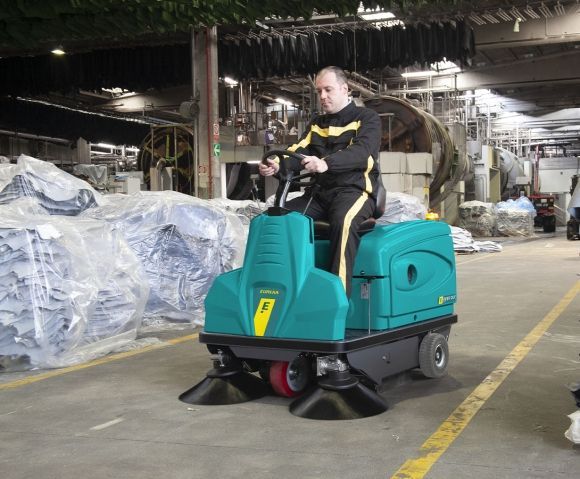
Ride on sweepers are industrial cleaning machines designed to collect dust, debris, and waste from large surfaces such as warehouses, factories, parking areas, and roads. Unlike walk-behind sweepers, these machines allow operators to sit and control the equipment, improving efficiency and coverage.
The concept exists because manual cleaning methods are time-consuming and less effective for large spaces. As industries expanded and facilities became larger, the need for faster and more consistent cleaning solutions led to the development of ride on sweepers.
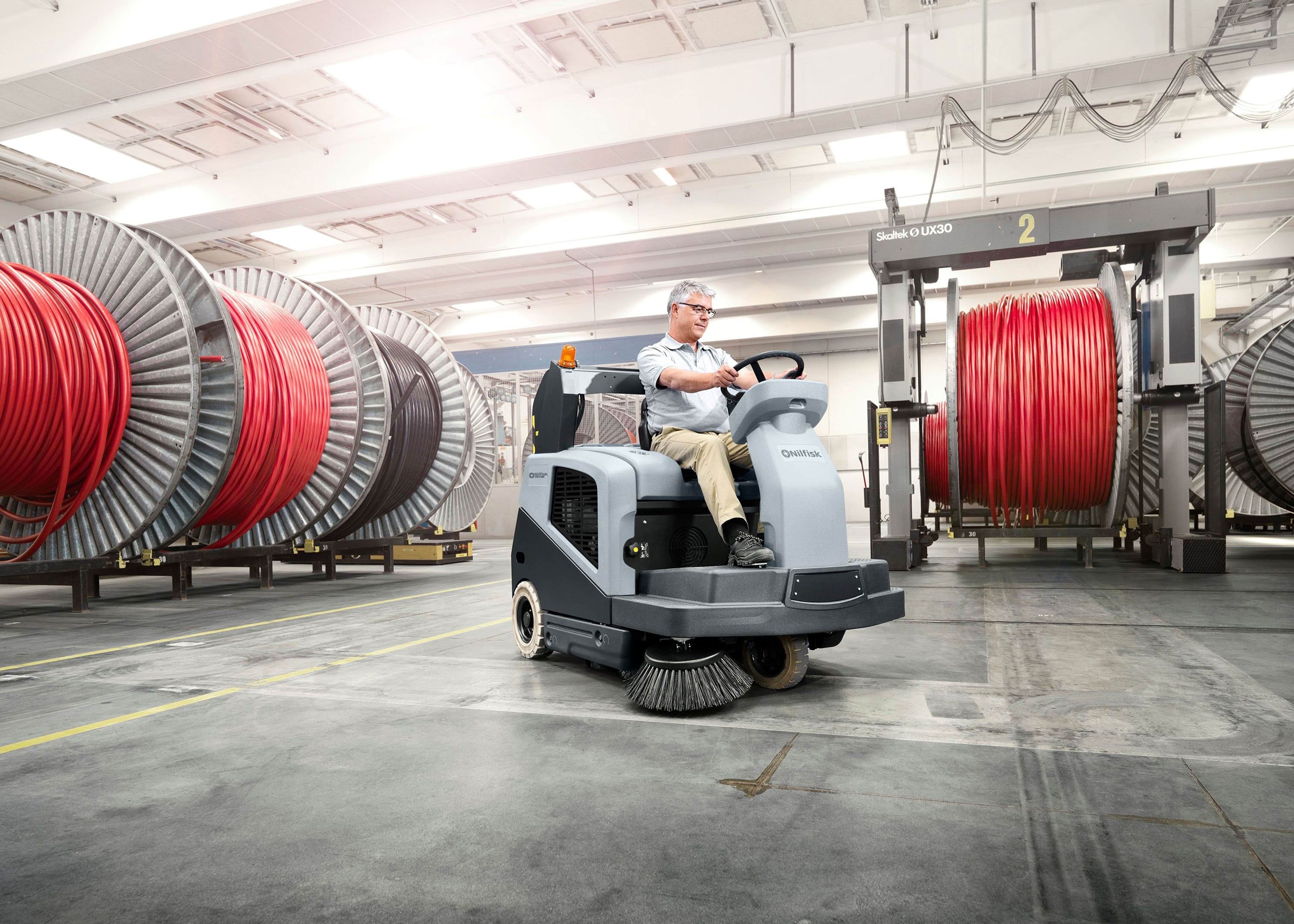
These machines typically use rotating brushes and vacuum systems to gather dirt into a collection hopper. Many modern versions also include filtration systems to reduce airborne dust, making them suitable for both indoor and outdoor environments.
Why Ride On Sweepers Matter Today
Ride on sweepers play an important role in maintaining hygiene, safety, and operational efficiency across various sectors.
They are especially relevant in environments where cleanliness directly impacts productivity and compliance, such as:
-
Warehouses and logistics hubs
-
Manufacturing plants
-
Commercial complexes
-
Airports and parking facilities
Some key problems they help address include:
-
Dust accumulation that can affect machinery and air quality
-
Slippery surfaces caused by debris
-
Inefficient manual cleaning processes
-
Increased labor effort and time consumption
From an operational perspective, these machines improve cleaning speed and reduce physical strain on workers. They also contribute to better workplace conditions, which can influence employee well-being and overall efficiency.
Types and Functional Overview
Ride on sweepers come in different configurations depending on their intended use and power source.
Battery-powered sweepers
-
Suitable for indoor environments
-
Lower noise levels
-
Reduced emissions
Fuel-powered sweepers
-
Designed for outdoor or heavy-duty use
-
Longer operational duration
-
Higher power output
Compact sweepers
-
Ideal for narrow aisles and smaller facilities
-
Easy maneuverability
Heavy-duty sweepers
-
Built for large industrial areas and rough surfaces
-
Larger hopper capacity
Core components typically include:
-
Main brush and side brushes: Sweep debris into the center
-
Vacuum system: Captures fine dust
-
Hopper: Stores collected waste
-
Control panel: Allows easy operation
Recent Updates and Industry Trends
The ride on sweeper industry has seen several developments driven by technology and environmental considerations.
One notable trend is the shift toward electric and battery-operated models, which reduce emissions and support cleaner indoor environments. Improvements in battery technology have enhanced runtime and charging efficiency.
Another development is the integration of smart controls and sensors. These features help monitor performance, optimize cleaning routes, and provide maintenance alerts. Some advanced models include semi-automated functions, improving consistency in large facilities.
There is also a growing focus on dust control and filtration systems, with high-efficiency filters designed to capture finer particles. This is particularly important in industries where air quality standards are strict.
Additionally, compact and ergonomic designs are becoming more common, allowing machines to operate efficiently in tight spaces without compromising performance.
Laws, Policies, and Compliance Considerations
Ride on sweepers are influenced by various regulations related to workplace safety, environmental standards, and equipment operation.
Common areas of regulation include:
-
Workplace safety guidelines:
Operators must follow safety protocols, including proper training and use of protective equipment. -
Emission standards:
Fuel-powered machines may be subject to emission limits, especially in enclosed environments. -
Dust and air quality regulations:
Industries must control airborne particles, making filtration systems an important feature. -
Noise level compliance:
Some facilities require equipment to operate within acceptable noise limits.
Organizations often align with occupational safety frameworks and environmental policies to ensure compliance. Using appropriate cleaning equipment helps meet these standards and maintain safer working conditions.
Tools, Resources, and Helpful Systems
Several tools and resources can support effective use and management of ride on sweepers.
Operational tools and features:
-
Digital control panels for monitoring performance
-
Battery management systems for energy tracking
-
Dust filtration indicators
-
Maintenance scheduling alerts
Helpful resources:
-
Equipment manuals and technical guides
-
Cleaning workflow templates for large facilities
-
Preventive maintenance checklists
-
Safety training modules for operators
Common digital solutions:
-
Facility management software for scheduling cleaning tasks
-
Maintenance tracking systems
-
Performance analytics dashboards
These tools help improve efficiency, extend equipment lifespan, and ensure consistent cleaning results.
Basic Maintenance and Usage Tips
Proper maintenance and usage practices are essential for optimal performance.
Daily checks:
-
Inspect brushes for wear and damage
-
Empty the hopper after use
-
Check battery or fuel levels
Weekly maintenance:
-
Clean filters and vacuum systems
-
Inspect tires and moving parts
-
Test control functions
Operational tips:
-
Adjust brush height according to surface type
-
Avoid overloading the hopper
-
Operate at consistent speeds for better cleaning results
Safety considerations:
-
Ensure operators are trained
-
Use protective gear when required
-
Follow manufacturer guidelines
Frequently Asked Questions
What surfaces can ride on sweepers clean?
They are designed for a variety of surfaces, including concrete, asphalt, tiles, and industrial flooring. Some models are suitable for both indoor and outdoor use.
How do ride on sweepers differ from scrubbers?
Sweepers collect dry debris, while scrubbers use water and cleaning solutions to wash surfaces. Some machines combine both functions.
Are ride on sweepers suitable for small spaces?
Compact models are specifically designed for narrow aisles and smaller areas, offering better maneuverability.
What factors affect cleaning performance?
Brush quality, machine speed, surface type, and maintenance practices all influence performance.
Do these machines require special training?
Basic training is usually required to ensure safe and effective operation, especially in industrial environments.
Key Comparison Table
| Feature | Battery-Powered Sweeper | Fuel-Powered Sweeper |
|---|---|---|
| Emissions | Low | Higher |
| Noise Level | Quiet | Moderate |
| Usage Environment | Indoor | Outdoor |
| Runtime | Moderate | Extended |
| Maintenance Needs | Lower | Higher |
Conclusion
Ride on sweepers represent an important advancement in industrial and commercial cleaning. They address the growing need for efficient, consistent, and safe cleaning solutions in large spaces.
By combining mechanical sweeping, dust control, and operator convenience, these machines help maintain cleaner environments while reducing time and effort. Ongoing developments in technology and design continue to improve their performance and usability.