Explore Spot Welding Machines: Basics, Explanation, and Key Facts
Spot welding machines are industrial tools used to join metal sheets by applying pressure and electrical current at specific contact points. This process creates strong, localized welds without the need for filler materials. Spot welding exists to support fast, repeatable, and precise metal joining, especially where large volumes of components must be assembled with consistent quality. It is widely used in manufacturing environments because it allows metals to be joined efficiently while maintaining structural integrity and surface appearance.
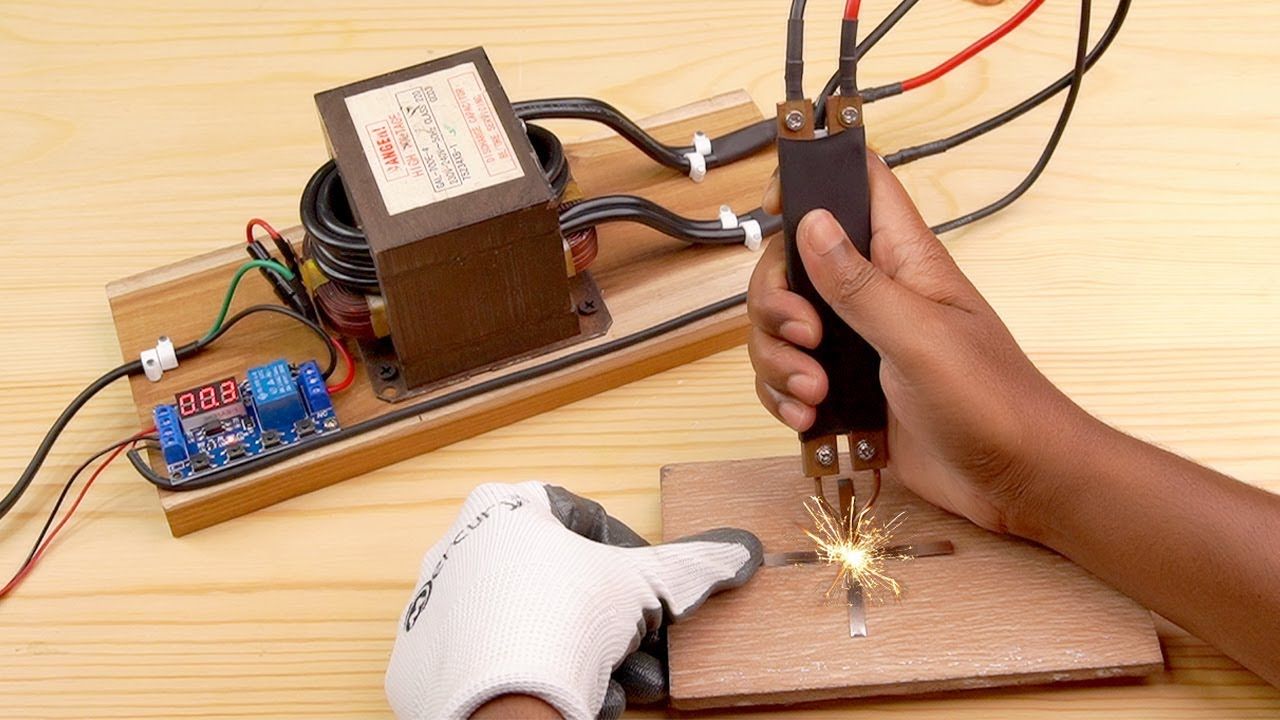
Spot welding machines operate on the principle of electrical resistance. When an electric current passes through metal sheets held together under pressure, heat is generated at the point of contact. This heat melts the metal locally, forming a weld nugget that solidifies once the current stops.
The need for spot welding arose with the growth of mass production. Manufacturers required a joining method that was:
-
Faster than traditional welding
-
Consistent across thousands of joints
-
Suitable for thin metal sheets
-
Easy to automate and standardize
Spot welding machines answered these needs by enabling controlled, repeatable welds with minimal material distortion. Over time, they became a foundational technology in modern fabrication and assembly lines.
Importance: Why Spot Welding Machines Matter Today
Spot welding machines remain highly relevant due to their efficiency and reliability. They impact multiple industries and help solve key production challenges.
Their importance can be understood through the following points:
-
They enable high-speed metal joining in large-scale production
-
They reduce material waste compared to other welding techniques
-
They support uniform weld quality across repetitive tasks
-
They integrate easily with automated and robotic systems
Industries affected include:
-
Automotive body and chassis assembly
-
Electrical enclosures and panels
-
Household appliances
-
Sheet metal fabrication units
-
Industrial equipment manufacturing
By providing strong joints without extensive heat spread, spot welding machines help maintain dimensional accuracy and product durability. This makes them essential for industries where precision and strength are critical.
Recent Updates: Trends and Developments
Recent developments in spot welding technology focus on efficiency, monitoring, and adaptability rather than fundamental process changes.
Key trends observed recently include:
-
Increased use of inverter-based welding systems for better energy control
-
Integration of digital controllers to monitor current, pressure, and weld time
-
Improved electrode materials to enhance durability and consistency
-
Greater compatibility with automation and robotic welding cells
Another notable change is the emphasis on data-driven welding. Modern systems often record weld parameters to help operators analyze performance, improve quality assurance, and reduce defects. These updates reflect a broader shift toward smarter manufacturing processes rather than manual adjustments.
Laws or Policies: Regulatory and Safety Influence
Spot welding machines are influenced by industrial safety standards and electrical equipment regulations. These rules focus on protecting operators and ensuring reliable machine performance.
Common regulatory considerations include:
-
Electrical safety requirements for high-current equipment
-
Workplace safety standards related to heat, pressure, and moving parts
-
Environmental guidelines addressing energy efficiency and emissions
-
Compliance requirements for industrial machinery installation and operation
While specific rules vary by region, the overall policy direction encourages safer machine design, operator training, and responsible energy usage. These frameworks shape how spot welding machines are designed, tested, and maintained in industrial environments.
Tools and Resources: Helpful References and Aids
Several tools and resources support understanding and working with spot welding machines. These resources help improve accuracy, safety, and learning outcomes.
Useful tools and resources include:
-
Welding parameter calculators for current and time estimation
-
Electrode wear monitoring charts
-
Technical manuals from equipment manufacturers
-
Industrial safety guidelines for resistance welding
-
Online knowledge bases focused on welding fundamentals
Below is a simple reference table showing common spot welding parameters and their purpose:
| Parameter | Purpose |
|---|---|
| Welding Current | Generates heat at the contact point |
| Weld Time | Controls heat duration |
| Electrode Force | Ensures proper contact and pressure |
| Hold Time | Allows weld to solidify |
These tools and references help operators and learners understand how adjustments affect weld quality without relying on trial-and-error methods.
Frequently Asked Questions
What materials can be joined using spot welding machines?
Spot welding machines are most suitable for low-carbon steel, stainless steel, and certain aluminum alloys. The process works best with thin metal sheets that conduct electricity efficiently.
How strong are spot welds compared to other welds?
Spot welds provide high shear strength at specific points. While they are not continuous like seam welds, multiple spot welds placed strategically can create very strong assemblies.
Why are copper electrodes commonly used?
Copper alloys are used because they conduct electricity well while resisting deformation under heat and pressure. This ensures consistent current flow and longer electrode life.
Is spot welding suitable for thick metal plates?
Spot welding is generally not ideal for thick plates. As material thickness increases, it becomes harder to generate sufficient heat at the joint without excessive power.
How is weld quality checked?
Weld quality is evaluated using visual inspection, peel tests, and sometimes non-destructive testing methods. Monitoring weld parameters also helps maintain consistency.
Explanation Through a Simple Process Flow
The basic operation of a spot welding machine can be summarized as:
-
Metal sheets are positioned between electrodes
-
Pressure is applied to hold sheets together
-
Electrical current flows through the contact area
-
Heat forms a molten weld nugget
-
Current stops and the weld cools under pressure
This controlled sequence ensures repeatable results and minimizes defects when parameters are correctly set.
Conclusion
Spot welding machines play a vital role in modern manufacturing by enabling efficient, precise, and repeatable metal joining. Their continued relevance is driven by the need for high productivity, consistent quality, and compatibility with automated systems. Ongoing improvements in control systems, monitoring, and electrode design reflect a broader focus on smarter and safer industrial processes. Understanding the basics, importance, and operational principles of spot welding machines helps build foundational knowledge for anyone interested in manufacturing technologies or industrial equipment.