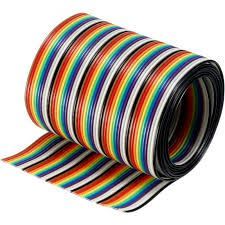
Flat Ribbon Cables: Complete Overview, Basics & Key Insights
Flat ribbon cables are a type of electrical cable designed with multiple conductors arranged side by side in a flat, ribbon-like structure. This design allows the conductors to stay organized, aligned, and easy to install in compact electronic systems.
Ribbon cables emerged during the early years of computing when devices required a simple way to connect internal components without bulky wiring. Their structure made them useful in computers, printers, household electronics, automation systems, and industrial control equipment. They continue to exist because they provide a lightweight, flexible, and space-saving wiring solution for modern devices.
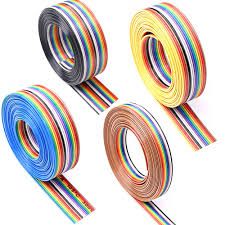
These cables are commonly made from copper conductors insulated with PVC or other flexible materials. Their uniform design allows them to handle low-voltage signals, making them ideal for data transmission, board-to-board connections, and communication between internal device parts.
Importance
Flat ribbon cables matter today because many industries still depend on compact and organized wiring systems. As devices become smaller, the need for wiring that fits into tight spaces continues to grow.
They are widely used by:
-
Electronics manufacturers
-
Computer hardware engineers
-
Robotics and automation developers
-
Home appliance designers
-
Automotive electronics teams
-
Research laboratories and testing environments
These cables help solve challenges such as messy wiring, limited space, and the need for stable signal transfer. Their design reduces the possibility of wiring errors and helps maintain clear pathways for electrical signals.
In data and automation environments, organized wiring also supports better airflow and easier maintenance. This makes ribbon cables relevant even as new connector technologies emerge.
Recent Updates
Over the past year, several updates in electronics and connectivity have influenced how ribbon cables are designed and used.
● 2024–2025 Trend Toward Miniaturization
More manufacturers have adopted ultra-thin ribbon cable designs to support compact devices such as foldable electronics, medical wearables, and micro-automation systems.
● Growth in High-Flex and Halogen-Free Materials (2024 Reports)
New materials are being used to improve flexibility and reduce environmental impact. Halogen-free insulation gained attention in mid-2024 as companies aimed to meet eco-friendly wiring guidelines.
● Rising Use in Automotive Electronics (2025 Discussions)
Internal communication systems in electric vehicles (EVs) are increasingly utilizing flexible ribbon cables for dashboard electronics, sensors, and battery management systems.
● PCB Industry Compatibility Developments
Connector standards for printed circuit boards (PCBs) were updated in 2024 by various industry associations, improving compatibility and signal performance for high-density ribbon cable systems.
These updates show that ribbon cables remain relevant because they adapt to new technologies rather than becoming outdated.
Laws or Policies
Flat ribbon cables are affected by electrical safety standards, material regulations, and manufacturing guidelines. While specific rules vary by country, several policies influence how ribbon cables are produced and used.
Electrical Safety Standards
Most regions follow standards such as:
-
IEC (International Electrotechnical Commission) safety guidelines
-
RoHS rules restricting hazardous substances
-
UL certification requirements for insulation and conductor safety
These ensure cables meet fire-safety, voltage, and material requirements.
Environmental Guidelines
Many countries enforce restrictions on lead, halogens, and harmful chemicals. Halogen-free ribbon cables are often encouraged in industries where environmental impact is monitored.
Industry-Specific Policies
-
Automotive electronics must meet standardized wiring codes for quality and reliability.
-
Medical devices require specific cable insulation materials to comply with hygiene and safety regulations.
-
Telecom and data equipment must meet electromagnetic compatibility (EMC) rules to prevent interference.
Such policies ensure ribbon cables are safe, durable, and compliant with global requirements.
Tools and Resources
Several tools, references, and resources support the selection, design, and analysis of flat ribbon cables.
Technical Tools and Calculators
-
Wire gauge calculators for choosing conductor sizes
-
Voltage drop calculators
-
PCB connector compatibility tools
-
Cable routing design software
Reference Resources
-
IEC and UL standards documentation
-
Engineering handbooks for cable design
-
Online libraries for connector pinout diagrams
-
Electronics simulation tools for testing circuits
Learning and Knowledge Platforms
-
Electrical engineering educational websites
-
Technical hardware forums
-
Wiring and cable management tutorials
-
Robotics and automation training guides
These resources help users understand specifications, safety rules, and performance requirements.
Structural Overview (Table)
| Feature | Description |
|---|---|
| Conductor Arrangement | Parallel copper conductors aligned in a flat shape |
| Insulation Material | PVC, TPE, or halogen-free plastics |
| Typical Use | Data connections, internal wiring, signal communication |
| Flexibility | High, suitable for folding or routing in compact spaces |
| Voltage Range | Low-voltage applications; varies by design |
Common Applications (List)
-
Computer hard drives and internal connections
-
Printers and scanning devices
-
Robotics and automation units
-
Industrial control panels
-
Medical monitoring equipment
-
Automotive dashboards and sensors
-
Testing and measurement instruments
Simple Comparison With Other Cable Types (Table)
| Cable Type | Structure | Best Use Case |
|---|---|---|
| Ribbon Cable | Flat, multi-conductor | Internal electronics, compact wiring |
| Round Cable | Cylindrical bundle | Long-distance power or communication |
| Coaxial Cable | Shielded layers | High-frequency signals |
| Twisted Pair Cable | Twisted conductors | Networking and telecom |
FAQs
1. What is a flat ribbon cable used for?
Flat ribbon cables are used for internal wiring in electronics, especially where compact and organized connections are required. They support data transfer, signal communication, and board-to-board connections.
2. How does a ribbon cable work?
It works by sending electrical signals through multiple parallel conductors. Each conductor carries a specific signal, and the flat design keeps the wiring organized and aligned.
3. Are ribbon cables flexible?
Yes, ribbon cables are highly flexible. They can bend and fold without damaging the conductors, which makes them useful in compact devices and moving assemblies.
4. What materials are commonly used in ribbon cables?
Copper conductors are typically used, and insulation materials include PVC, TPE, or halogen-free plastics depending on safety or environmental requirements.
5. Are ribbon cables still relevant today?
Yes, they remain widely used in electronics, automation, automotive systems, and compact devices because they offer efficient wiring in limited space.
Conclusion
Flat ribbon cables continue to play a meaningful role in modern electronics by offering a simple, organized, and flexible wiring solution. Their flat structure supports efficient data transfer and helps maintain clean internal layouts in devices ranging from computers to industrial automation systems. Recent material improvements, updated safety standards, and increased demand in automotive and compact device industries contribute to their ongoing relevance.
As technology progresses, ribbon cables adapt to new requirements through improved durability, environmental compliance, and enhanced compatibility with advanced connectors. Understanding their structure, uses, and regulatory guidelines helps engineers, students, and electronics developers make informed decisions when working with electrical systems.