Hotel Lobby Seating Concepts: Overview, Basics, and Helpful Design Ideas
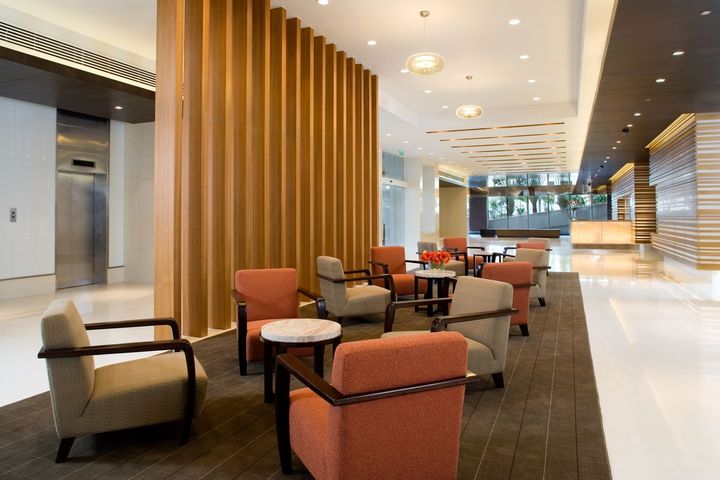
Hotel lobby seating concepts refer to the planning and arrangement of furniture and seating areas within a hotel lobby to support comfort, accessibility, and functionality. The lobby is often the first interior space visitors encounter, making it an important environment that shapes the initial impression of a property.
In hospitality interior design, seating arrangements are not only decorative elements but also functional components that influence how people interact with a space. Guests may use the lobby to wait for check-in, meet colleagues, relax between activities, or work remotely for short periods. Because of these diverse uses, designers often create seating layouts that support different types of interactions and comfort levels.
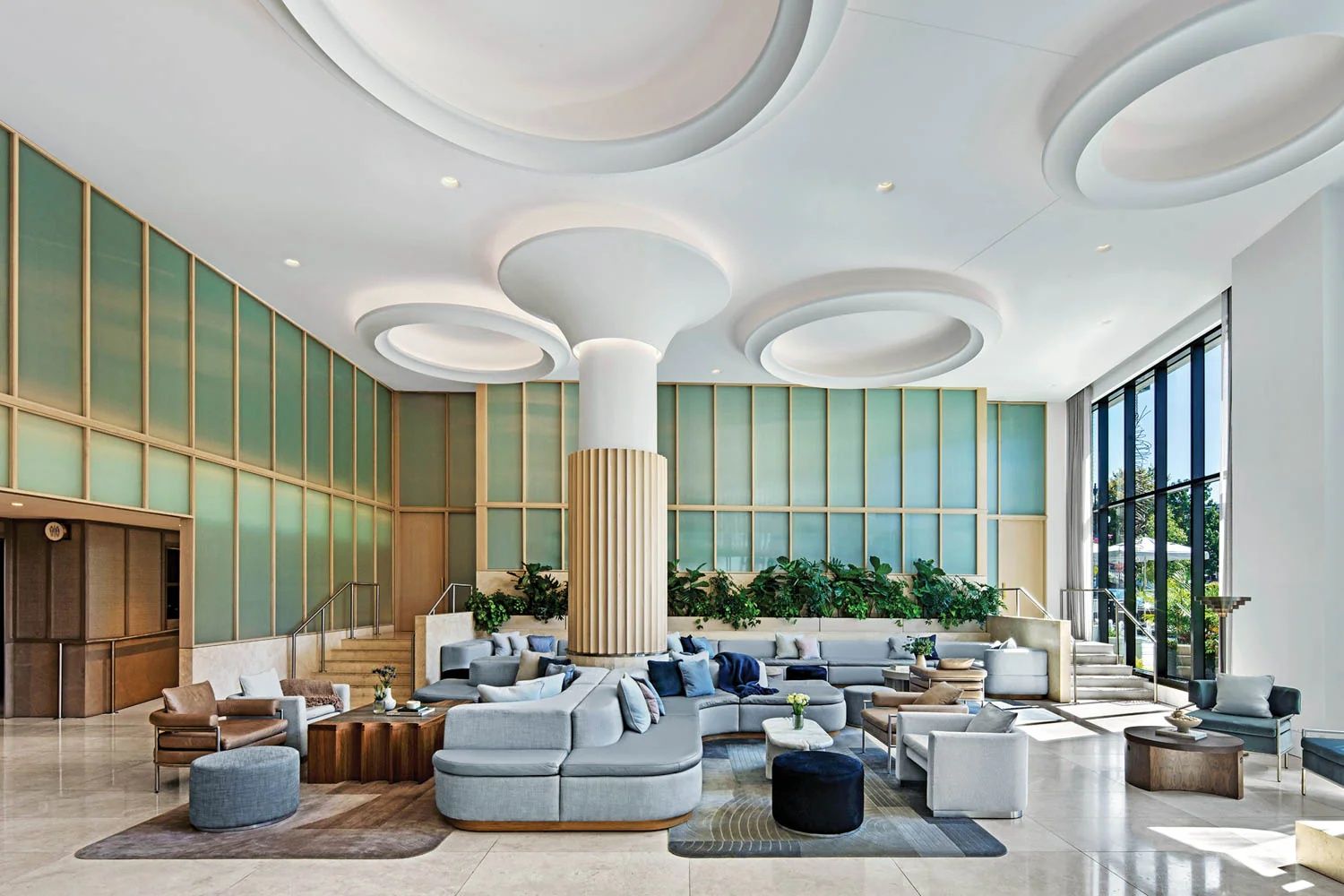
Typical lobby seating concepts include lounge areas, modular seating clusters, collaborative workspaces, and quiet corners. Each arrangement aims to balance aesthetics with practicality while ensuring the space remains welcoming and easy to navigate.
Modern hospitality design also considers ergonomics, material durability, and spatial flow. Designers analyze how guests move through the lobby, where natural gathering points occur, and how seating can guide circulation without causing congestion.
Common design elements used in lobby seating planning include:
-
Sofas and lounge chairs arranged in conversational groupings
-
Flexible modular seating systems
-
Accent chairs near windows or architectural features
-
Coffee tables or side tables that support short stays
-
Integrated charging stations or workspace surfaces
These concepts help transform the lobby from a transitional area into a multi-purpose social environment.
Why Hotel Lobby Seating Concepts Matter
Hotel lobbies function as social hubs, informal workspaces, waiting areas, and meeting points. Because of this multifunctional role, seating design plays a major part in how comfortable and usable the space becomes.
Thoughtfully designed seating arrangements can influence guest satisfaction and overall experience. When seating is placed strategically, visitors can easily find a place to relax, work, or socialize without disrupting others.
Key reasons this topic matters include:
-
Improving guest comfort and accessibility
-
Supporting multiple activities in a shared environment
-
Encouraging social interaction in hospitality spaces
-
Helping manage crowd flow during busy periods
In hospitality management and interior architecture, seating design also supports operational efficiency. For example, clear seating zones help staff monitor lobby areas more easily while maintaining an organized environment.
The topic also intersects with broader design fields such as hospitality design trends, interior architecture, ergonomic furniture planning, and space optimization.
The table below highlights how seating concepts support different guest needs.
| Guest Activity | Seating Concept | Typical Furniture | Design Purpose |
|---|---|---|---|
| Waiting for check-in | Lounge cluster | Sofa, coffee table | Comfortable short stay |
| Casual meeting | Conversation circle | Armchairs, round table | Encourages interaction |
| Remote work | Work lounge | Desk chairs, task tables | Productivity and focus |
| Relaxation | Quiet corner | Accent chair, side table | Privacy and calm |
By aligning seating layouts with these needs, hotels can create a lobby environment that supports both functionality and atmosphere.
Recent Updates and Emerging Design Trends
Hospitality design evolves regularly as travel habits and workspace expectations change. Over the past year, several trends have influenced how designers approach hotel lobby seating.
One major shift is the growing emphasis on flexible and multi-functional seating layouts. Many hotels now incorporate adaptable furniture systems that can be rearranged for events, group gatherings, or individual work sessions.
Another trend involves the integration of technology into seating areas. Designers often include discreet charging points, laptop surfaces, and task lighting so that guests can comfortably use digital devices while seated in the lobby.
Biophilic design has also become more visible in hospitality spaces. This approach incorporates natural materials, plants, and daylight to create calming environments. Seating areas are often placed near greenery, indoor gardens, or large windows to enhance relaxation.
Recent hospitality design publications have also highlighted the use of curved furniture and modular lounge seating. These designs soften the visual layout of large lobbies and encourage social interaction.
The following chart illustrates several common lobby seating design trends observed recently.
| Design Trend | Key Feature | Impact on Lobby Seating |
|---|---|---|
| Flexible layouts | Movable furniture modules | Allows easy space adaptation |
| Technology integration | Charging points and device surfaces | Supports digital connectivity |
| Biophilic design | Plants and natural materials | Improves comfort and atmosphere |
| Mixed seating heights | Combination of lounge and upright chairs | Supports varied guest preferences |
These developments show how lobby seating concepts continue to adapt to evolving guest behavior and design innovation.
Regulatory and Accessibility Considerations
Hotel lobby seating design is influenced by building codes, accessibility guidelines, and public safety standards. These frameworks ensure that hospitality spaces remain safe and usable for all visitors.
Accessibility regulations typically require that seating areas allow clear pathways for mobility devices and that furniture placement does not obstruct emergency exits. Designers also consider seat height, arm support, and spacing to make seating usable for a wide range of guests.
Interior designers and architects often refer to universal design principles when planning lobby seating layouts. These principles encourage environments that can be comfortably used by people with different mobility levels or physical abilities.
Additional regulatory considerations may include:
-
Fire safety guidelines affecting furniture placement
-
Accessibility requirements for public seating areas
-
Building occupancy regulations that influence layout density
-
Safety standards for furniture materials and durability
Hotels also follow internal safety protocols that address evacuation routes, furniture stability, and maintenance standards.
By incorporating these requirements into the design process, hospitality spaces remain both attractive and compliant with safety guidelines.
Tools and Resources for Lobby Seating Design
Interior designers, architects, and hospitality planners often rely on specialized tools to develop seating layouts and visualize lobby environments. These resources help professionals analyze space usage and test different design options before implementation.
Helpful tools commonly used in hospitality interior planning include:
• Space planning software
Programs such as interior layout platforms allow designers to map seating arrangements and test spatial flow.
• 3D visualization tools
Rendering software helps visualize furniture placement, lighting, and textures within the lobby environment.
• Furniture specification databases
Digital catalogs provide measurements, materials, and ergonomic data for hospitality furniture.
• Lighting planning tools
These assist designers in positioning lamps or ambient lighting around seating zones.
• Hospitality design templates
Layout templates can provide starting points for seating clusters, lounge areas, and collaborative spaces.
The following table outlines several categories of design resources.
| Resource Type | Purpose | Typical Users |
|---|---|---|
| Layout planning software | Test seating configurations | Interior designers |
| 3D visualization tools | Create realistic lobby renderings | Architects and planners |
| Furniture databases | Compare furniture dimensions and materials | Design teams |
| Lighting planning tools | Balance lighting around seating areas | Lighting designers |
Educational publications, design conferences, and hospitality architecture journals also provide valuable insights into evolving seating concepts and space planning techniques.
Frequently Asked Questions
What is the purpose of seating areas in hotel lobbies?
Seating areas allow guests to relax, wait, socialize, or conduct informal meetings. They transform the lobby into a functional space rather than simply a passageway between the entrance and reception desk.
What types of seating are commonly used in hotel lobbies?
Common options include lounge chairs, sofas, modular seating systems, accent chairs, benches, and small work tables. Designers often combine multiple seating styles to support different activities.
How do designers decide where to place lobby seating?
Designers analyze traffic flow, entrance points, and natural gathering areas. Seating is usually arranged to avoid blocking walkways while creating comfortable conversation zones.
Why are modular seating systems becoming popular?
Modular seating allows furniture pieces to be rearranged easily. This flexibility helps hotels adapt lobby layouts for events, group meetings, or varying guest volumes.
What factors influence comfortable lobby seating design?
Important factors include seat height, cushioning, furniture durability, lighting conditions, spacing between seats, and proximity to amenities such as tables or power outlets.
Conclusion
Hotel lobby seating concepts combine functionality, aesthetics, and spatial planning to create comfortable and welcoming hospitality environments. The lobby often serves as a shared social space where guests wait, meet, relax, or work, making seating arrangements a central part of interior design strategy.
Effective seating layouts consider guest behavior, accessibility guidelines, and traffic flow while maintaining a visually appealing environment. Designers frequently use lounge clusters, modular furniture systems, and mixed seating styles to accommodate a wide range of activities.
Recent design developments highlight flexible layouts, technology integration, and biophilic elements that enhance both comfort and usability. These trends reflect the evolving role of hotel lobbies as multifunctional spaces rather than simple reception areas.