How SiC Refractory Bricks Improve Furnace Efficiency
Oven industries play a key role such as steel production, glass production, ceramics and power generation. These high temperature systems require feeding materials that can withstand excessive heat while maintaining structural stability. The refractory bricks, designed to resist melting, erosion and chemical attacks, create the spine of the furnace construction.
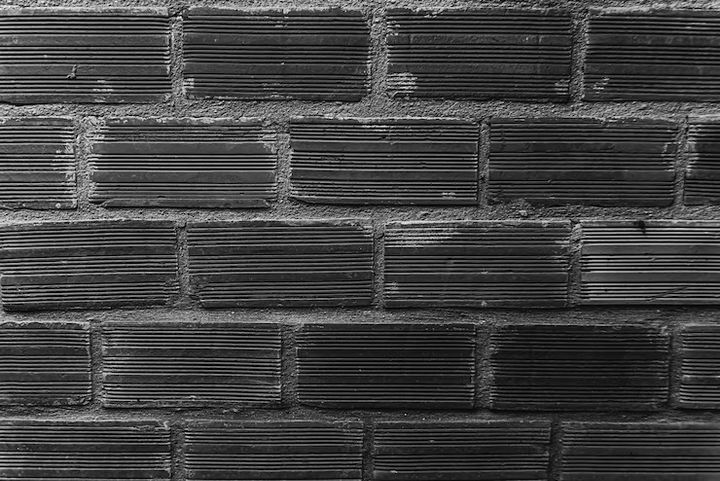
In various refractory materials, silicon carbide (sic) brick is important because of their extraordinary thermal and mechanical properties. SIC is known for the ability to handle both high temperatures and tough chemical environments, which is ideal for improving the efficiency of the oven. These bricks exist because the industry requires solutions that not only meet the heat, but also reduce the energy loss, expand the life of the oven and improve operating stability.
Importance
It is a matter of malicious bricks for many important reasons:
High thermal conductivity: They move the heat effectively, reducing the fuel or power volume required to reach the operating temperature.
Energy efficiency: By reducing heat loss, they help industries cut operating costs.
Durability: Resistance to thermal shock and chemical corrosion means that stoves last longer with low closures.
Environmental benefits: Low energy consumption means less emissions than industrial activities.
Versatility: These bricks are used in steel, aluminum, petrochemical and glass ovens, making them valuable in many areas.
This efficiency comes directly around them by improving resource use and environmental results for producers, energy -intensive industries and their surrounding communities.
Newer updates
Last year, many developments have highlighted the growing relevance of sic -fire -resistant bricks:
Material innovation (2024–2025): Manufacturers produce hybridsic bricks that combine traditional properties with new additives to improve the resistance to alkali attacks in cement and glass ovens.
Sustainability focus: Several industries are using SIC linings as part of broaderbonization strategies to meet global climate goals.
Cost ideas: Although Sic -Murstein is usually more expensive, companies recognize low savings from low maintenance and energy bills.
Market growth: 2024 reports suggest that the demand for sic-based wrestling in the Asia Pacific and Europe has increased, where heavy industry is modernized to improve efficiency and comply with strict environmental standards.
Comparison of SIC with traditional refractory bricks:
| Property | Traditional Fireclay Bricks | SiC Refractory Bricks |
|---|---|---|
| Thermal Conductivity | Moderate | High |
| Energy Efficiency Impact | Average | Significant |
| Resistance to Corrosion | Limited | Excellent |
| Furnace Lifespan Impact | Moderate | Extended |
Laws or guidelines
Guidelines and rules strongly affect the adoption of sic -fire -resistant bricks, especially where energy efficiency and emission preferences are:
Energy efficiency standards: In the EU, energy -intensive industries are required to improve the benefit of the stove to complete the energy defense instructions.
Lack of emission targets: Countries that implement carbon pricing or emission trading schemes encourage companies to use energy -saving technologies, including advanced wrestling.
Security regulations: Agencies such as Osha in the United States and similar authorities worldwide set strict rules for the furnace operations, and push industries to use reliable, durable lining material.
Sustainability Framework: The national program that promotes national programs (such as the National Mission on Energy on Energy Energy and Carbon Neutrality Goals of China), encourages indirectly to use effective oven lining.
Recycling and waste policy: Some fields regulate waste management of refractory waste, causing more interest in long -term SIC solutions that reduce waste production.
By corresponding to these rules, industries not only follow legal requirements, but also receive operational and environmental benefits.
Tools and resources
Many resources support industries that evaluate or implement Sic refractory bricks:
Energy audit equipment:
Government and industrial calculator to measure the stove's energy loss and identify reforms.
Thermal modeling software:
To analyze heat transfer in oven liners, simulation tools such as ANS or Comsol.
Standard and Guidelines:
Standard on wrestling for ISO 22451 Industrial use.
ASTM International Guidelines for testing refractory properties.
Trade association:
The World Refractive Association and the regional groups provide best practices and training.
Educational resources:
Technical articles from organizations such as the American Ceramic Society.
Online training modules on the stove's efficiency and Refactory selection.
These resource engineers help plant managers and decision makers create informed alternatives on refractory materials and oven upgrades.
question to ask
Q1: Do Sic the dirty bricks different from traditional bricks?
Unlike soil or aluminum oxide-based refractory, Sic-Murstein provides high thermal conductivity, greater resistance to corrosion and improves the shelf life under extreme conditions.
Q2: Is Sic -Murstein cost -effective for all industries?
While requiring a high pre -investment, their long life, reduction in maintenance needs, and energy savings often make them more economic in the long term.
Q3: Can sic bricks be used in all ovens?
They are suitable for many uses, especially in steel, glass and petrochemical industries, but their use depends on the specific temperature and chemical environment of the oven.
Q4: Does Sic -Murstein contribute to environmental goals?
Yes. By improving the oven's efficiency, they reduce energy consumption and related emissions, support stability and comply with the guidelines.
Q5: Sic refractory bricks usually last?
Their lifetime varies with an oven position, but is usually longer than traditional bricks, and often provides reliable service with minimal wear.
Final thoughts
Sic refractory brick forms the future of technology by combining durability with efficiency. Their ability to withstand extreme conditions when reducing energy loss makes them an essential material for industries seeking both performance and stability.
With guidelines that meet energy efficiency and emission reduction, Sic refractory bricks are expected to use. They not only represent an industrial upgrade, but are also a step towards balanced productivity with environmental responsibility.
For industries for the purpose of staying competitive in rapidly changing energy landscapes, it drops into skilled and reliable refractory solutions such as SIC from an alternative and is higher than a requirement.