Jigsaw Machines Guide: Explanation, Knowledge, and Helpful Insights
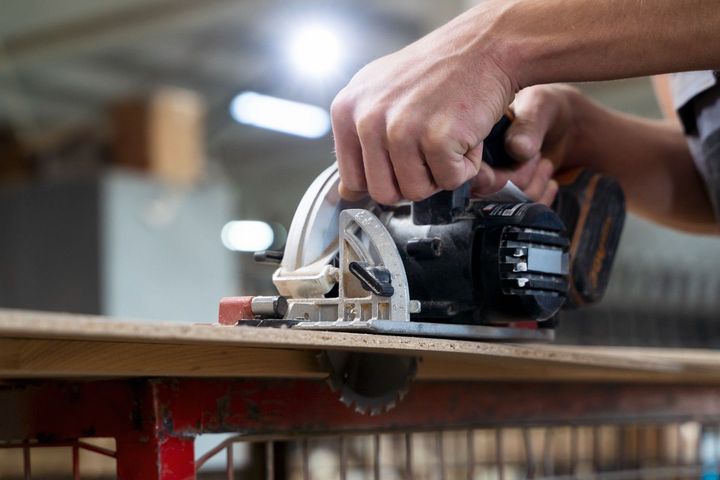
A jigsaw machine is a powered cutting tool designed to create straight, curved, and intricate cuts in a wide range of materials. It uses a narrow, vertically moving blade that allows greater control when following patterns or irregular shapes. The tool exists to solve a practical limitation of traditional saws, which are often restricted to straight-line cutting and require larger workspaces.
Jigsaw machines are commonly used in woodworking, metal fabrication, interior finishing, and general construction tasks. Their compact design and adaptable blades make them suitable for both light-duty and precision-oriented work. Over time, improvements in motor control, blade technology, and safety features have made jigsaw machines more accurate and versatile than earlier manual cutting methods.
Importance
Jigsaw machines matter today because modern projects increasingly require flexibility, customization, and efficient material use. From home renovations to industrial workshops, the ability to cut curves, angles, and detailed shapes reduces material waste and improves design freedom.
This topic affects a wide range of users, including students learning tool fundamentals, technicians working with sheet materials, designers creating prototypes, and maintenance teams performing on-site adjustments. Jigsaw machines help solve problems such as:
-
Difficulty cutting curved or irregular shapes
-
Time-consuming manual cutting methods
-
Limited accuracy with larger saw systems
-
Space constraints in small workshops
In many workflows, jigsaw machines complement other power tools by handling tasks that require fine control rather than raw cutting power.
Recent Updates
In recent times, jigsaw machines have seen notable advancements focused on precision, safety, and user comfort. Manufacturers have introduced variable speed control systems that automatically adjust blade motion based on material resistance. This improves cut quality and reduces blade wear.
Another trend is the wider use of brushless motors, which offer smoother operation, lower heat generation, and longer operational life. Improved vibration-dampening mechanisms have also been added to reduce user fatigue during extended use.
Blade technology has evolved as well, with coated and bi-metal blades becoming more common for cleaner cuts and longer durability across wood, metal, and composite materials. Dust management features, such as integrated extraction ports, have also gained attention to support cleaner work environments and better visibility during cutting.
Laws or Policies
Jigsaw machine usage is generally influenced by workplace safety standards and equipment handling guidelines rather than product-specific regulations. Rules typically focus on operator safety, electrical compliance, and noise exposure limits.
Common regulatory considerations include:
-
Electrical safety standards for powered tools
-
Mandatory use of protective equipment in professional environments
-
Noise and vibration exposure limits in workplaces
-
Tool labeling and operating instruction requirements
These policies aim to reduce injury risks and ensure that jigsaw machines are used responsibly in both professional and educational settings. Compliance usually involves proper training, routine inspection, and adherence to safety instructions provided with the equipment.
Tools and Resources
Several tools and resources help users understand, maintain, and apply jigsaw machines effectively. These resources focus on education, planning, and accuracy rather than commercial use.
Helpful tools and references include:
-
Cutting speed reference charts for different materials
-
Blade selection guides explaining tooth design and spacing
-
Digital angle and curve templates for layout planning
-
Maintenance checklists for routine inspection
-
Online technical manuals explaining motor and blade mechanisms
Below is a simple reference table showing common blade types and their general applications:
| Blade Type | Typical Use | Key Feature |
|---|---|---|
| Fine-tooth blade | Thin wood, laminates | Clean edge finish |
| Coarse-tooth blade | Thick wood | Faster material removal |
| Metal-cutting blade | Aluminum, steel sheets | Hardened teeth |
| Bi-metal blade | Mixed materials | Extended durability |
| Reverse-tooth blade | Decorative surfaces | Reduced top splintering |
Such resources support informed decision-making and help users achieve consistent results across different tasks.
Working Principles Explained
A jigsaw machine operates by converting rotational motor energy into vertical blade motion. The blade moves rapidly up and down, cutting material as it advances forward. Many models include an orbital setting, which slightly tilts the blade motion to increase cutting speed in softer materials.
Key components include:
-
Motor housing that drives blade movement
-
Blade clamp system for quick blade changes
-
Base plate that stabilizes the tool on the surface
-
Speed control mechanism for material-specific adjustment
Understanding these principles helps users select appropriate settings and avoid common issues such as blade bending or uneven cuts.
Performance Factors and Accuracy
Several factors influence the performance of a jigsaw machine. Material thickness, blade type, cutting speed, and operator technique all play important roles. Maintaining steady pressure and allowing the blade to do the work generally results in better accuracy and reduced wear.
The following table highlights factors that affect cut quality:
| Factor | Impact on Results |
|---|---|
| Blade sharpness | Determines smoothness of cut |
| Speed setting | Affects heat and precision |
| Material support | Reduces vibration and deflection |
| Base plate alignment | Ensures straight tracking |
Paying attention to these elements helps achieve reliable and repeatable outcomes.
FAQs
What materials can a jigsaw machine cut?
A jigsaw machine can cut wood, metal sheets, plastics, laminates, and some composite materials when the correct blade and speed settings are used.
How is a jigsaw different from other saws?
Unlike circular or table saws, a jigsaw excels at curved and intricate cuts, making it suitable for detailed work rather than long straight cuts.
Is blade selection important?
Yes. Blade tooth design, material composition, and length directly affect cut quality, speed, and tool stability.
Can a jigsaw machine make straight cuts accurately?
With proper guidance tools and a stable base plate, straight cuts are achievable, though the tool is primarily designed for flexible cutting paths.
What maintenance does a jigsaw machine require?
Routine maintenance includes cleaning dust buildup, checking blade clamps, inspecting power cords, and ensuring smooth base plate movement.
Conclusion
Jigsaw machines play an important role in modern cutting tasks by offering flexibility, control, and adaptability across multiple materials. Their ability to handle complex shapes fills a critical gap left by larger, more rigid cutting tools. Ongoing improvements in motor efficiency, blade technology, and safety design continue to expand their usefulness.
By understanding how jigsaw machines work, why they matter, and how to use them responsibly, users can approach projects with greater confidence and accuracy. This knowledge-based approach supports better outcomes in both learning environments and practical applications.