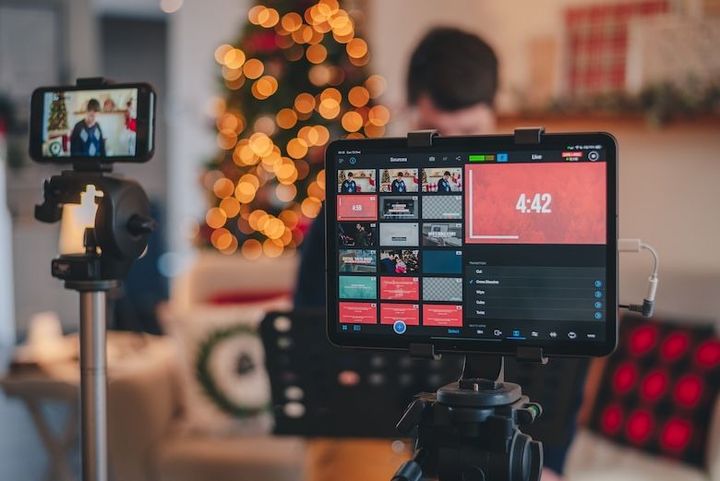
Live-Stream Audience Coordination: An Explore Guide to Basics, Tips, and Practical Insights
Live-stream audience coordination refers to the planning, monitoring, and management of viewers who participate in a live online broadcast. It exists to ensure that real-time interactions—such as comments, questions, reactions, and polls—remain organized, meaningful, and respectful while the stream is ongoing. As live streaming expanded beyond entertainment into education, events, discussions, and knowledge sharing, audience coordination became essential to keep communication clear and manageable.
In simple terms, it bridges the gap between the broadcaster and the audience. Without coordination, live chats can become overwhelming, questions can be missed, and discussions can lose focus. This practice developed to support clarity, accessibility, and structured engagement during live digital sessions.

Importance: Why This Topic Matters Today
Live-stream audience coordination matters because real-time participation is now a core part of online communication. Large audiences can join a stream within seconds, creating both opportunities and challenges. Coordination helps maintain order and ensures that interaction adds value rather than confusion.
This topic affects several groups:
-
Content creators and educators hosting live sessions
-
Event organizers running virtual conferences or discussions
-
Moderators and support teams managing interactions
-
Viewers who want their questions and feedback acknowledged
Key problems it helps solve include:
-
Information overload in live chats
-
Disruptive or irrelevant comments
-
Missed questions from the audience
-
Unequal participation where only a few voices dominate
When audience coordination is handled well, it improves clarity, encourages inclusive participation, and supports accurate information exchange. It also builds trust, as viewers feel heard and respected during live interactions.
Recent Updates: Trends and Developments
In recent months, live-stream coordination practices have evolved alongside platform updates and audience behavior changes. Several noticeable trends have emerged:
-
Smarter moderation tools now help filter repetitive or harmful messages automatically.
-
Audience segmentation features allow hosts to highlight questions from specific groups, such as verified participants.
-
Interactive formats like live polls, Q&A panels, and reaction tracking have become more common to structure engagement.
-
Data dashboards increasingly show real-time metrics such as active viewers, comment flow rate, and engagement spikes.
These updates reflect a broader shift toward quality engagement rather than sheer viewer count. Platforms are emphasizing meaningful interaction, making coordination skills more important than ever.
Laws or Policies: General Regulatory Influence
Live-stream audience coordination is influenced by platform rules and broader digital communication standards. While specific legal frameworks differ by region, general principles apply across platforms:
-
Guidelines around respectful communication and harassment prevention
-
Policies on data protection and user privacy
-
Rules regarding content moderation and reporting mechanisms
Most live-streaming platforms publish clear community guidelines that outline acceptable behavior. Audience coordination aligns with these policies by actively managing discussions, removing harmful content, and ensuring transparent communication practices. The goal is to create a safe and informative environment for all participants without restricting legitimate expression.
Tools and Resources: Helpful Options for Coordination
A range of tools and resources support effective live-stream audience coordination. These are commonly used across platforms and formats.
Streaming Platforms
-
YouTube Live – Built-in live chat moderation and Q&A features
-
Twitch – Advanced chat control and moderator roles
-
Facebook Live – Comment filtering and viewer interaction tools
Moderation and Engagement Tools
-
Chat management dashboards
-
Keyword-based message filters
-
Audience polling and Q&A tools
-
Stream delay controls for moderation review
Templates and Planning Resources
-
Pre-stream moderation checklists
-
Audience question collection forms
-
Engagement flow plans outlining when interaction is encouraged
Analytics Resources
-
Real-time engagement trackers
-
Post-stream audience interaction reports
Practical Insights: How Coordination Works in Practice
Effective audience coordination usually follows a structured flow before, during, and after a live stream.
| Phase | Key Coordination Focus | Common Actions |
|---|---|---|
| Before Stream | Preparation | Assign moderators, define rules |
| During Stream | Real-time management | Highlight questions, filter chat |
| After Stream | Review and improvement | Analyze engagement data |
This structured approach ensures consistency and reduces stress during live sessions.
Common Challenges and Solutions
Live-stream audience coordination often faces predictable challenges. Understanding them helps improve outcomes.
-
High comment volume: Use slow-mode or highlight tools
-
Off-topic discussions: Redirect with clear prompts
-
Audience silence: Introduce guided questions or polls
-
Moderator fatigue: Rotate roles during longer streams
Simple planning and clear communication reduce most issues significantly.
FAQs: Clear Answers to Common Questions
What is the main goal of live-stream audience coordination?
The main goal is to manage real-time interactions so discussions remain organized, respectful, and relevant.
Does audience coordination limit free expression?
No. It focuses on structure and safety, not censorship. Relevant and respectful input is encouraged.
Is audience coordination only for large streams?
It benefits both small and large streams. Even small audiences can become difficult to manage without structure.
Who usually handles audience coordination?
It may be the host, a moderator, or a dedicated support team, depending on stream size.
Can coordination improve learning outcomes in live sessions?
Yes. Structured interaction helps clarify questions and keeps discussions focused on key topics.
Conclusion
Live-stream audience coordination plays a crucial role in modern digital communication. It exists to ensure that real-time interaction enhances understanding rather than creating confusion. As live streaming continues to grow across education, events, and discussions, coordinated audience management supports clarity, inclusion, and trust.
By understanding its importance, staying aware of recent trends, respecting platform policies, and using the right tools, hosts and moderators can create meaningful live experiences. Well-coordinated streams benefit everyone involved, from presenters to participants, by turning live interaction into a valuable and organized exchange of ideas.