Paper Bag Manufacture: A Complete Guide with Insights & Key Details
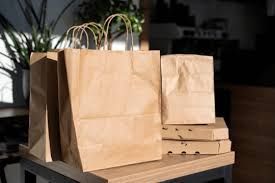
Paper bag manufacture refers to the process of producing bags made from kraft paper, recycled paper, or similar paper-based materials. These bags are used for packaging, shopping, food delivery, gifting and many other applications. The industry exists because there is a continuous need for packaging solutions that are strong, functional and more environmentally friendly compared to single-use plastic bags.
Manufacturing typically involves converting raw paper rolls into finished bags through cutting, folding, gluing and optional printing. As consumer habits and packaging needs have changed, paper bag production has expanded to include multiple sizes, styles and custom features such as handles or reinforced bottoms.

Importance
Paper bag manufacture plays an important role today for several reasons.
Environmental significance
Paper bags are widely viewed as more sustainable options because they are biodegradable and recyclable. As awareness of plastic pollution grows, paper bags help support cleaner waste-management systems.
Demand from retail and food sectors
Retail stores, cafes, bakeries, restaurants and e-commerce platforms rely on paper bags for packaging and customer carry-out needs. They also allow businesses to include branding or informational design elements.
Shift in consumer behaviour
Many consumers prefer eco-friendly packaging and actively choose businesses that reduce plastic use. Paper bag manufacture supports this changing preference.
Industry and economic contribution
As the demand for eco-friendly packaging increases, paper bag production continues to expand. More manufacturers are investing in automation, efficient machinery and improved paper materials.
Problems it helps solve
-
Reduces use of single-use plastic carry bags
-
Offers recyclable and biodegradable packaging choices
-
Supports waste-reduction initiatives
-
Provides retailers with versatile packaging formats
Who it affects
-
Manufacturers and packaging industries
-
Retailers, food service operators and e-commerce brands
-
Environmental organisations and policymakers
-
Consumers using carry bags in daily life
Recent Updates
Recent developments in paper bag manufacture highlight growth, innovation and sustainability improvements.
Market growth
The global paper bag sector has shown steady expansion, supported by increasing sustainability awareness, demand for recyclable packaging and regulatory pressures around plastic use. Forecasts for the period up to 2030 indicate continued growth in retail, food delivery and industrial packaging segments.
Technological trends (2024–2025)
-
Growing adoption of automation and smart manufacturing technologies
-
Wider use of high-strength recycled paper and sustainable materials
-
Increase in customisable designs with improved printability
-
Rising production of reusable and reinforced paper bags
-
Integration of digital features like QR codes for branding or product information
Design and consumer trends
-
Minimalist and natural aesthetics
-
Textured, matte or kraft-style surfaces
-
Die-cut handles and creative shapes
-
Demand for lightweight but durable paper structures
Asia-Pacific expansion (2024–2025)
Countries with strong sustainability regulations continue to see higher demand for paper bags. Markets such as India have recorded significant shifts toward eco-friendly packaging solutions.
Laws or Policies
Paper bag manufacture is strongly influenced by national and regional regulations, especially those that govern plastic waste, packaging sustainability and recycling guidelines. While paper bags themselves are not usually restricted, they become essential alternatives when plastic bans are enforced.
Key regulatory influences
-
Single-use plastic restrictions in many countries have reduced the availability of lightweight plastic carry bags, increasing the reliance on paper alternatives.
-
Packaging waste rules encourage the use of recyclable and biodegradable materials, which supports paper-based packaging.
-
Extended Producer Responsibility (EPR) guidelines in some nations require producers and brand owners to manage and recover packaging waste, indirectly encouraging paper bag adoption.
-
Sustainable sourcing expectations motivate manufacturers to use responsibly-sourced or recycled paper materials.
In India, for example, strengthened measures on single-use plastic items and minimum thickness rules for plastic carry bags have increased the shift toward paper-based bags. Similar policy trends are seen in various other regions that prioritise environmental protection.
Tools and Resources
Industry Tools and References
-
Packaging design templates for paper bag layouts
-
Material selection guides for kraft paper, recycled paper and reinforced paper
-
Bag-making machine specifications and technical manuals
-
Printing and finishing guides for paper-based packaging
-
Sustainability tracking tools that estimate recyclability and environmental impact
-
Certification resources related to responsibly sourced paper
-
Market research dashboards helping manufacturers understand current trends
Useful Resources for Manufacturers and Designers
-
Paper strength calculators and GSM-selection tools
-
Waste-management and recycling planning tools
-
Industrial directory listings for machinery and raw-material suppliers
-
Packaging trend reports highlighting upcoming styles and features
These tools help manufacturers improve efficiency, maintain compliance and align with sustainability goals.
FAQs
What types of paper bags are commonly produced?
Common types include flat-bottom bags, gusseted bags, pinched-bottom bags, die-cut handle bags, rope-handle bags and pasted-valve industrial paper bags. Each type is designed for specific packaging needs.
What materials are used in paper bag manufacture?
Manufacturers typically use kraft paper (brown or white), recycled paper and sometimes multi-layered paper structures for added strength. In some cases, water-based coatings or laminations are applied for moisture resistance.
Is the demand for paper bags mainly due to plastic restrictions?
Plastic regulations play a major role, but demand also increases due to sustainability preferences, branding benefits and the need for recyclable packaging in retail and food delivery sectors.
What trends are shaping the industry today?
Automation, sustainable materials, reusable designs, advanced printing techniques and custom shapes are major trends influencing how paper bags are produced and used.
Do regulations directly impact paper bag manufacturers?
Yes. While paper bags are generally unrestricted, laws against single-use plastics, packaging sustainability rules and recycling policies increase demand for paper alternatives. Manufacturers must also ensure responsible sourcing and match strength standards for safe use.
Conclusion
Paper bag manufacture has become an important part of modern packaging solutions as industries and consumers move toward more sustainable practices. The field has grown due to environmental concerns, stronger regulations around plastic, and rising demand for recyclable materials.
Recent trends show increased automation, adoption of recycled paper, creative designs and more durable paper structures. Regulations and sustainability frameworks influence material choices, production methods and end-of-life considerations. Tools and resources available today make it easier for manufacturers and designers to create effective, eco-friendly and compliant paper bags.
By understanding the context, importance, regulatory landscape and emerging trends, stakeholders involved in paper bag manufacture can make informed and responsible decisions that support both industry needs and environmental goals.