Paragliding Over Valleys: A Helpful Guide to Basics, Safety Tips, and Insights
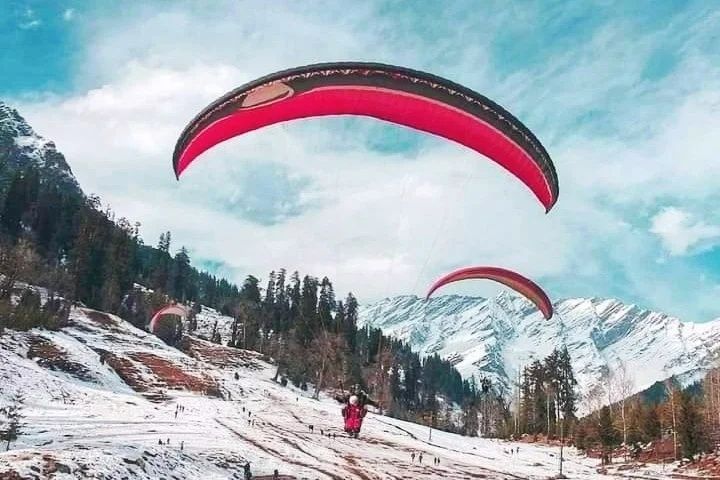
Paragliding over valleys is an aerial sport and recreational activity where a pilot glides through the air using a lightweight, foot-launched glider. The aircraft consists of a fabric wing, suspension lines, and a harness that carries the pilot. Unlike powered aircraft, paragliders rely on wind currents and rising air to stay airborne.
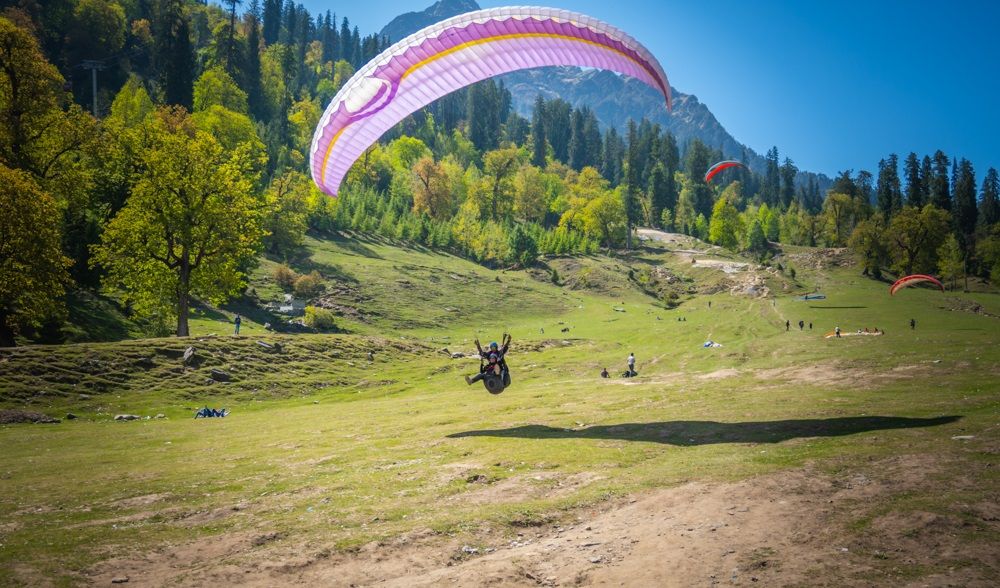
Valley landscapes are popular locations for paragliding because they create ideal air conditions. When wind flows across mountains and slopes, it generates updrafts and thermal currents that help gliders remain in flight for longer periods. These natural air movements make valleys attractive environments for both beginner and experienced pilots.
The activity combines elements of aviation knowledge, outdoor adventure, and environmental awareness. Pilots must understand air movements, weather patterns, equipment control, and landing techniques. Because the sport involves human flight without an engine, careful preparation and understanding of the basics are essential.
Paragliding has grown steadily as a recreational outdoor activity due to advancements in equipment design, better training methods, and improved safety standards. Many people are drawn to it for the unique experience of viewing landscapes from above while quietly gliding through open air.
Common features of valley paragliding environments include:
-
Wide open launch areas on hillsides
-
Strong but predictable air currents
-
Clear landing zones at lower elevations
-
Scenic landscapes that enhance the experience
These conditions make valleys one of the most common and suitable natural environments for paragliding flights.
Why Paragliding Over Valleys Matters
Paragliding over valleys is not only a recreational activity but also part of the broader field of aerial sports and adventure tourism. It attracts enthusiasts who are interested in experiencing flight while exploring natural landscapes.
Several factors explain why this activity has become increasingly relevant.
First, outdoor recreation has gained popularity as people seek activities that combine nature, physical activity, and exploration. Paragliding offers a way to experience landscapes in a completely different perspective compared with hiking or climbing.
Second, the sport promotes an understanding of meteorology and air movement. Pilots learn about thermals, wind gradients, ridge lift, and atmospheric stability. This knowledge helps improve safety and also increases awareness of environmental conditions.
Third, paragliding contributes to tourism and regional outdoor sports communities. Valley regions with suitable terrain often become hubs for aviation sports, training schools, and competitions. This encourages infrastructure development such as launch sites, training facilities, and safety systems.
Fourth, the activity encourages the development of aerosports education and safety training. New pilots typically undergo structured training programs that focus on flight theory, equipment handling, and emergency response techniques.
The sport also addresses several common interests and challenges in modern outdoor recreation:
-
Learning safe ways to experience human flight
-
Understanding weather conditions in mountainous areas
-
Developing navigation and landing skills
-
Exploring sustainable adventure activities in natural environments
Because paragliding relies heavily on environmental awareness, it also encourages respect for nature and careful use of outdoor spaces.
Recent Developments and Emerging Trends
In recent months, several developments have influenced the world of paragliding, especially in valley environments.
One notable trend is the advancement in paraglider wing design. Manufacturers have introduced wings with improved aerodynamic efficiency, better glide ratios, and enhanced stability. These innovations help pilots manage turbulence more effectively while maintaining smoother flight paths.
Another important development has been the increased use of digital flight instruments and tracking technology. Modern pilots often use GPS-based flight computers and mobile apps to track altitude, wind speed, and glide performance. These tools help pilots make better decisions during flights.
Recent competition events and community initiatives have also highlighted the importance of safety awareness. Training organizations have emphasized structured learning programs that include:
-
Ground handling practice
-
Weather analysis training
-
Emergency descent techniques
-
Equipment inspection routines
Flight logging platforms have also become more popular. These digital systems allow pilots to record and analyze their flights, helping them understand performance and improve skills over time.
The use of aerial sports data and analytics has expanded as well. Many pilots now track statistics such as:
-
Maximum altitude reached
-
Flight duration
-
Average glide ratio
-
Thermal climbing rates
The table below illustrates common performance metrics monitored by pilots.
| Flight Metric | Purpose | Example Insight |
|---|---|---|
| Altitude Gain | Measures climb efficiency | Helps identify strong thermals |
| Flight Duration | Indicates endurance of flight | Shows optimal weather windows |
| Glide Ratio | Compares distance to altitude loss | Reflects wing performance |
| Speed Over Ground | Monitors travel speed | Helps navigate cross-country routes |
Another emerging trend involves environmental monitoring. Weather stations and digital wind sensors are increasingly installed near launch sites, allowing pilots to check real-time conditions before flight.
Influence of Aviation Rules and Safety Frameworks
Paragliding is generally categorized under light or recreational aviation activities. As a result, many regions have safety frameworks designed to regulate training, equipment standards, and flight zones.
These regulations typically focus on ensuring safe airspace use and protecting both pilots and the public. Common regulatory areas include:
-
Pilot training certification
-
Approved flight areas and airspace restrictions
-
Equipment safety standards
-
Competition and event guidelines
Many aviation authorities require pilots to undergo structured instruction before flying independently. Training programs usually include theoretical lessons about aerodynamics and weather, combined with supervised practice flights.
Airspace awareness is also important. Paragliders share the sky with other aircraft such as helicopters, small planes, and gliders. Regulations often define specific altitude limits and restricted zones near airports or sensitive areas.
Safety frameworks may also encourage the use of protective gear such as:
-
Helmets designed for aerial sports
-
Reserve parachutes for emergency descent
-
Radio communication devices
-
Visibility equipment for flight tracking
These guidelines help ensure that the sport develops in a controlled and responsible way while minimizing risks associated with human flight.
Useful Tools and Learning Resources
A variety of digital tools and educational resources support pilots and beginners who want to understand paragliding over valleys.
These tools help improve flight planning, safety awareness, and skill development.
Some commonly used resources include weather analysis platforms. Pilots often rely on detailed wind forecasts, thermal predictions, and cloud movement models to determine whether conditions are suitable for flight.
Navigation and tracking apps are also widely used. These applications can display altitude, vertical climb rates, and flight routes in real time.
Helpful resources often include:
-
Weather forecasting platforms for wind and thermal prediction
-
Flight tracking applications for GPS-based flight monitoring
-
Digital topographic maps for identifying launch and landing zones
-
Aerodynamics learning guides for understanding flight principles
-
Safety checklists and equipment inspection templates
The following table highlights common categories of paragliding tools.
| Tool Category | Purpose |
|---|---|
| Weather Forecast Apps | Analyze wind speed, direction, and thermals |
| GPS Flight Instruments | Track altitude, speed, and distance |
| Airspace Maps | Identify restricted or controlled areas |
| Flight Log Platforms | Store and analyze previous flights |
| Training Manuals | Provide structured learning material |
Educational resources such as aviation handbooks, meteorology tutorials, and online training materials also play an important role. These materials help beginners build foundational knowledge before attempting independent flights.
Frequently Asked Questions
What makes valleys suitable for paragliding?
Valleys often create natural wind patterns that support gliding flight. Rising warm air, known as thermals, and wind flowing up slopes produce lift that allows paragliders to remain airborne longer.
Is special training required for paragliding?
Yes. Beginners typically undergo structured training programs that cover flight theory, equipment handling, launch techniques, and safe landing procedures. Supervised practice flights are usually part of the learning process.
What equipment is used in paragliding?
Basic equipment includes a paraglider wing, suspension lines, a pilot harness, a helmet, and a reserve parachute. Many pilots also use GPS flight instruments and radio communication devices.
How important is weather in paragliding?
Weather plays a critical role in flight safety. Pilots must analyze wind direction, wind speed, thermal activity, and atmospheric stability before launching. Unsuitable weather conditions can make flying unsafe.
Can beginners fly over valleys immediately?
Most beginners start with short training flights under instructor supervision. As skills improve and knowledge of weather and air movement increases, pilots gradually progress to longer valley flights.
Conclusion
Paragliding over valleys offers a unique way to experience flight while interacting closely with natural landscapes and atmospheric conditions. The sport combines aviation knowledge, environmental awareness, and outdoor adventure in a form that is both technically interesting and visually remarkable.
Understanding the basics of equipment, weather patterns, and flight techniques is essential for safe participation. Valley environments provide favorable conditions due to natural lift and open landing areas, but they also require careful planning and awareness of air movements.
Recent developments in wing design, digital flight instruments, and weather analysis tools have improved the accessibility and safety of the activity. At the same time, aviation guidelines and structured training programs continue to support responsible participation in aerial sports.