Plastic Bottle Pellets: Explore Guide, Basics, Explanation, and Key Facts to Learn
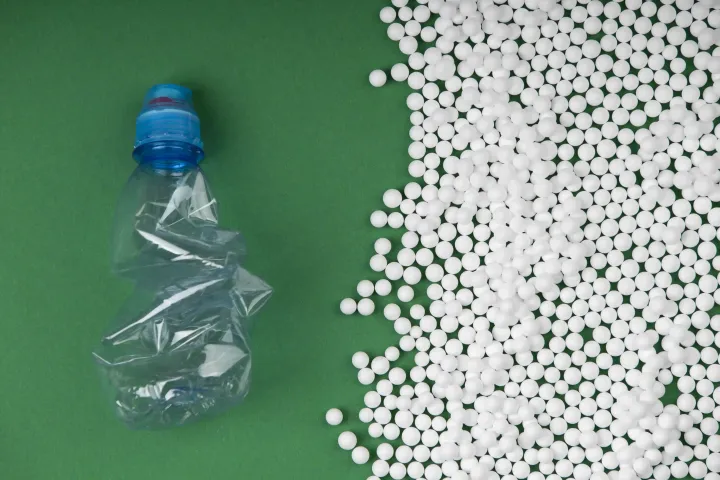
Plastic bottle pellets are small granules created by processing recycled plastic bottles, most commonly polyethylene terephthalate (PET). These pellets act as raw material used in manufacturing new plastic products such as containers, packaging materials, fibers, and industrial components. The process transforms used plastic bottles into uniform pellets through shredding, washing, melting, and extrusion.
Plastic recycling technology developed to address the growing global challenge of plastic waste. As plastic consumption increased worldwide during the late 20th century, large quantities of discarded bottles began accumulating in landfills and oceans. Recycling methods such as pelletizing provided a way to convert waste plastic into reusable materials.
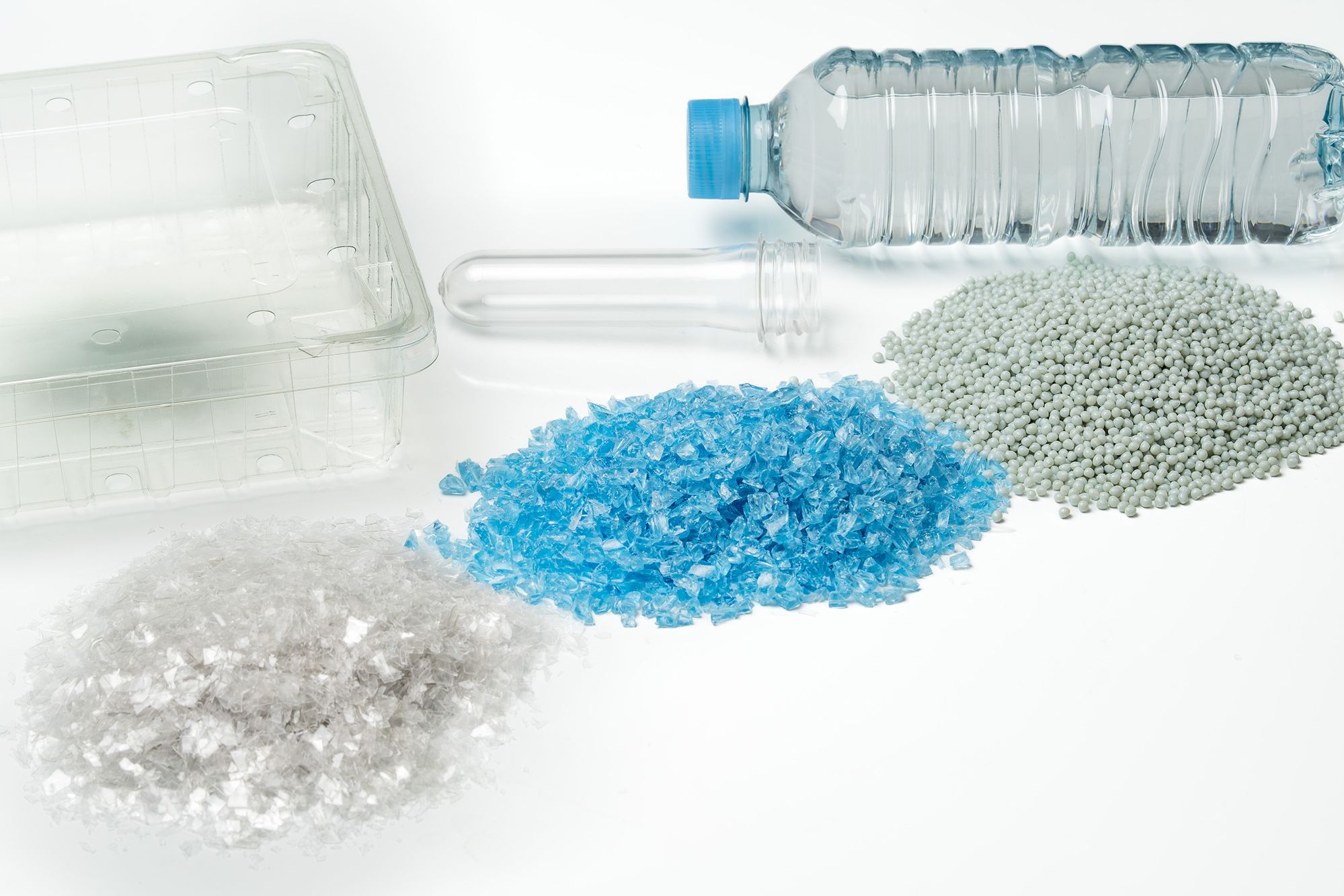
Plastic bottle pellets are widely used in industries connected to plastic recycling technology, polymer processing, sustainable materials management, and circular economy systems. The pellet form is preferred because it is easy to transport, store, and feed into manufacturing equipment.
The production process usually involves several stages:
• Collection of used plastic bottles
• Sorting by polymer type
• Washing and removal of contaminants
• Mechanical shredding into flakes
• Melting and extrusion
• Pellet formation through cooling and cutting
These pellets are then used as feedstock in various manufacturing applications including packaging, textile fibers, and molded products.
Why Plastic Bottle Pellets Matter in Modern Waste Management
Plastic bottle pellets play an important role in modern environmental management and sustainable manufacturing. Plastic waste has become one of the most widely discussed environmental concerns globally, particularly in relation to marine pollution, landfill capacity, and resource consumption.
According to environmental studies, millions of tons of plastic bottles are produced every year. Without recycling infrastructure, most of these bottles would remain in landfills for hundreds of years because many plastics degrade very slowly.
Plastic pellet production supports several important objectives:
• Reduction of plastic waste accumulation
• Conservation of petroleum-based raw materials
• Lower energy consumption compared with virgin plastic production
• Support for circular economy initiatives
The recycling industry also helps supply manufacturers with alternative raw materials that reduce dependence on newly produced plastics.
The impact extends across several sectors including:
• Packaging and container manufacturing
• Textile and polyester fiber industries
• Construction materials
• Consumer goods manufacturing
• Industrial packaging
The topic also affects governments, environmental organizations, waste management agencies, and industries working on environmental sustainability, waste reduction strategies, and plastic waste management systems.
Plastic bottle pellet production also contributes to emerging fields such as advanced recycling technologies and sustainable materials engineering.
Recent Developments and Industry Trends
Over the past year, several developments have influenced the plastic recycling and pellet production sector. Environmental policies and technological innovation continue to shape how plastic waste is processed.
In 2025, many countries expanded their focus on plastic waste reduction as part of broader climate and sustainability initiatives. Governments and environmental organizations emphasized improved recycling infrastructure and greater use of recycled plastic materials.
Some notable trends include:
• Growth of chemical recycling technologies capable of converting plastic waste into high-purity raw materials
• Increasing demand for recycled PET pellets in packaging industries
• Advances in AI-based waste sorting systems used in recycling facilities
• Expansion of closed-loop recycling systems for plastic bottles
Artificial intelligence and sensor-based sorting systems are being integrated into recycling plants to improve plastic separation accuracy. These technologies can identify different polymer types using infrared scanning.
The following table summarizes key technological trends in plastic recycling.
| Technology | Purpose | Impact |
|---|---|---|
| AI Sorting Systems | Automated waste classification | Higher recycling efficiency |
| Chemical Recycling | Breaks polymers into raw chemicals | Expands recycling capability |
| Advanced Extrusion Systems | Improved pellet production | Higher material quality |
| Optical Sorting Sensors | Polymer detection | Reduced contamination |
Many large beverage and packaging companies also announced sustainability targets between 2024 and 2025, aiming to increase the use of recycled plastics in packaging materials.
Global sustainability reports published in 2025 highlighted increased investment in recycling infrastructure, particularly in regions experiencing rapid plastic consumption growth.
Government Regulations and Environmental Policies
Plastic bottle pellet production is closely linked with environmental regulations and waste management policies. Governments worldwide have introduced laws designed to reduce plastic pollution and promote recycling.
In India, plastic waste management is guided by the Plastic Waste Management Rules, originally introduced in 2016 and updated several times since then. These regulations emphasize extended producer responsibility (EPR), which requires manufacturers to participate in plastic waste collection and recycling systems.
Key elements of plastic waste regulations often include:
• Mandatory waste segregation
• Recycling targets for plastic packaging
• Extended Producer Responsibility programs
• Restrictions on certain single-use plastics
In 2022, India implemented expanded guidelines under EPR that require producers, importers, and brand owners to ensure a portion of their plastic packaging is recycled or reused.
Internationally, several policies also affect plastic recycling activities:
• European Union Circular Economy Action Plan
• United Nations plastic pollution initiatives
• Global sustainability reporting frameworks
These policies aim to improve plastic waste collection systems and encourage industries to use recycled materials.
The following simplified diagram illustrates the relationship between waste collection and pellet production.
Plastic Bottles → Sorting → Cleaning → Shredding → Pellet Production → Manufacturing
Government policies often encourage this cycle by setting recycling targets and supporting infrastructure development.
Tools, Platforms, and Resources Related to Plastic Recycling
A variety of digital tools and industry resources help organizations understand plastic recycling processes, environmental impact, and materials management.
Some widely used tools and resources include:
• Recycling rate calculators used by environmental researchers
• Life cycle assessment (LCA) software for evaluating environmental impact
• Material flow analysis tools used in sustainability studies
• Waste tracking systems used by municipalities
Commonly used sustainability platforms include:
• Environmental data reporting platforms
• Industrial materials databases
• Recycling technology research portals
• Environmental impact assessment tools
The table below highlights typical categories of digital tools related to recycling and sustainability analysis.
| Tool Category | Purpose |
|---|---|
| Life Cycle Assessment Software | Evaluate environmental impact of materials |
| Waste Tracking Platforms | Monitor plastic waste movement |
| Recycling Efficiency Calculators | Measure processing efficiency |
| Sustainability Reporting Tools | Track environmental performance |
Research institutions and environmental agencies also publish reports and technical guidelines related to plastic recycling technologies.
Educational resources such as environmental science journals, sustainability research papers, and government environmental reports provide additional information for those studying the field.
Frequently Asked Questions
What are plastic bottle pellets made from?
Plastic bottle pellets are typically produced from recycled polyethylene terephthalate (PET) bottles. The bottles are collected, cleaned, shredded into flakes, melted, and then processed into small uniform pellets used as raw material in manufacturing.
What industries use recycled plastic pellets?
Recycled plastic pellets are used in packaging manufacturing, textile production, construction materials, automotive components, and consumer goods production. PET pellets are commonly used to create polyester fibers and plastic containers.
How do plastic pellets support environmental sustainability?
Plastic pellets made from recycled bottles help reduce landfill waste, conserve petroleum resources used in virgin plastic production, and lower overall energy consumption in manufacturing processes.
Are plastic bottle pellets safe for manufacturing products?
When processed correctly through approved recycling systems, plastic pellets can meet quality standards for industrial applications. In some cases, specialized purification processes allow recycled plastics to be used in food-grade packaging.
What challenges exist in plastic bottle recycling?
Common challenges include contamination in collected waste, inefficient sorting systems, inconsistent recycling infrastructure, and variations in plastic polymer types that complicate processing.
Conclusion
Plastic bottle pellets represent an important component of modern recycling systems and sustainable materials management. By converting discarded plastic bottles into reusable raw materials, recycling facilities help reduce environmental waste while supporting industrial production.
The topic intersects with several major global concerns including plastic pollution, resource conservation, and circular economy development. Advances in recycling technology, artificial intelligence sorting systems, and environmental policies are gradually improving the efficiency of plastic waste management.