Power Dressing for Professionals: Explore Guide, Tips, Insights, and Essential Style Knowledge
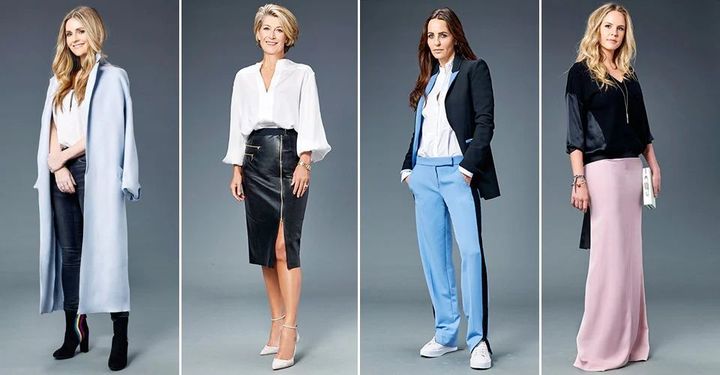
Power dressing refers to a professional style approach that communicates confidence, credibility, and competence through clothing choices. The concept developed in corporate environments during the late twentieth century when professionals began recognizing how visual presentation could influence perception in the workplace. Over time, it evolved from strict corporate attire into a broader framework for professional appearance and personal branding.
In modern workplaces, power dressing is less about rigid rules and more about strategic presentation. Clothing, colors, fit, and grooming contribute to how colleagues, clients, and leaders interpret professionalism. Research in workplace psychology and organizational behavior often highlights how appearance affects first impressions and perceived authority.
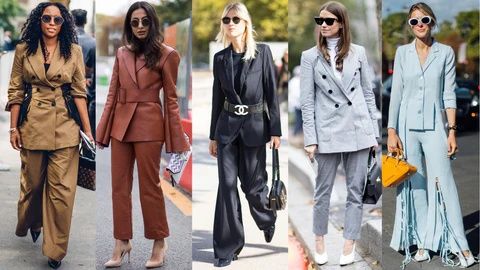
Power dressing is commonly associated with several concepts in workplace culture, including professional image management, workplace communication, and personal branding. Professionals across industries—from finance and technology to education and healthcare—often consider attire as part of their broader professional identity.
Key elements commonly discussed in professional style guidance include:
-
Structured and well-fitted clothing
-
Neutral or professional color palettes
-
Attention to grooming and neatness
-
Clothing appropriate to workplace culture
-
Consistency with personal and organizational identity
These elements help professionals present themselves in a way that aligns with organizational expectations while maintaining individual expression.
High-value topics connected to this subject frequently appear in discussions related to executive presence, professional branding strategies, workplace communication skills, corporate leadership development, and career advancement strategies.
| Element of Power Dressing | Purpose in Professional Settings |
|---|---|
| Structured clothing | Communicates confidence and authority |
| Neutral color palettes | Signals professionalism and reliability |
| Professional accessories | Adds subtle identity and detail |
| Grooming and neat appearance | Maintains credibility and workplace readiness |
Importance – Why Professional Style Matters Today
In modern professional environments, appearance often contributes to perception during meetings, presentations, and networking interactions. While competence and expertise remain central to career growth, visual cues still play a role in how individuals are perceived.
Power dressing matters because it supports several professional outcomes:
-
Strong first impressions in interviews or meetings
-
Clear alignment with workplace culture
-
Reinforcement of professional credibility
-
Support for personal confidence and communication
Workplace environments have also changed significantly in the past decade. Hybrid work models, digital meetings, and global collaboration mean professionals often appear on video platforms, conferences, and online events. As a result, professional style is now discussed in the context of digital professionalism and virtual workplace communication.
Another reason this topic remains relevant is the diversity of modern workplace cultures. Some industries maintain traditional business attire expectations, while others encourage more relaxed dress codes. Professionals often balance personal expression with organizational norms.
Common workplace challenges related to professional appearance include:
-
Unclear dress code expectations
-
Differences between industries and roles
-
Cultural variations in professional style
-
Adjusting attire for hybrid work environments
Power dressing guidance helps individuals navigate these challenges by providing general principles rather than rigid rules.
A simple visualization of professional style priorities in workplace perception:
Professional Perception Factors

Communication Skills      ███████████
Technical Expertise       █████████████
Professional Appearance   █████████
Reliability & Behavior    ███████████
This illustration reflects how appearance complements other professional traits rather than replacing them.
Recent Updates – Professional Style Trends in the Past Year
During 2024 and early 2025, workplace style trends shifted significantly due to changing corporate policies and evolving workplace cultures. Several trends have been widely discussed in workplace studies and human resource reports.
One major development is the continued expansion of hybrid workplace models. Many companies adopted hybrid work structures after global workplace changes in previous years, and by 2025, a large number of organizations continue operating with both remote and in-office employees.
This shift has influenced professional dressing habits in several ways:
-
Increased popularity of business-casual wardrobe strategies
-
Greater emphasis on video-call ready attire
-
Adaptation of professional clothing for comfort and flexibility
Another trend is the growing focus on sustainable professional fashion. Reports from fashion industry organizations in 2024–2025 highlight rising interest in environmentally responsible fabrics and durable wardrobe choices.
Professionals are increasingly discussing topics such as:
-
Sustainable textile materials
-
Long-lasting wardrobe pieces
-
Ethical clothing production
-
Reduced fast-fashion consumption
Additionally, workplace diversity initiatives have influenced discussions around dress codes. Many organizations updated internal policies between 2023 and 2025 to allow more inclusive forms of professional expression while still maintaining general standards of professionalism.
Examples of evolving professional style trends include:
| Trend | Description |
|---|---|
| Hybrid Work Attire | Clothing suitable for both office and remote work |
| Smart Casual Balance | Professional but comfortable workplace clothing |
| Sustainable Wardrobes | Long-term clothing choices with environmental awareness |
| Inclusive Dress Policies | Workplace guidelines accommodating diverse cultural expression |
These developments reflect how professional appearance continues adapting to broader social, technological, and workplace changes.
Laws or Policies – Workplace Dress Codes and Regulations
Professional appearance in workplaces is sometimes influenced by employment policies, labor regulations, and workplace guidelines. While most countries do not have strict laws about professional clothing itself, organizations often implement internal dress code policies.
In many countries, labor regulations require that workplace dress policies must follow principles of fairness, non-discrimination, and safety.
Common regulatory considerations include:
-
Workplace safety standards in industrial environments
-
Uniform requirements for healthcare, aviation, or hospitality
-
Anti-discrimination policies related to cultural or religious attire
-
Gender equality guidelines in workplace appearance policies
For example, occupational safety regulations in many countries require protective clothing in construction, manufacturing, and laboratory settings. These rules prioritize worker safety over aesthetic considerations.
In office environments, dress codes typically fall into several categories:
| Dress Code Type | Description |
|---|---|
| Business Formal | Traditional corporate attire |
| Business Professional | Formal but less strict than traditional corporate |
| Business Casual | Professional yet comfortable clothing |
| Smart Casual | Relaxed but polished professional appearance |
Organizations usually outline dress expectations within employee handbooks or workplace policy documents. Professionals often review these guidelines to ensure their attire aligns with company culture and policy expectations.
Tools and Resources – Helpful Platforms for Professional Style Guidance
Several digital tools and informational resources help individuals understand workplace fashion trends, wardrobe planning, and professional image development. These resources provide educational insights rather than commercial services.
Commonly used tools and platforms include:
Professional style planning tools:
-
Personal wardrobe organization apps
-
Outfit planning templates
-
Color palette guides for professional attire
-
Capsule wardrobe planners
Educational resources and websites:
-
Workplace fashion research reports
-
Career development blogs discussing professional image
-
Professional networking platforms sharing industry dress standards
-
Digital magazines focusing on workplace culture
Technology has also introduced tools related to personal branding development, executive presence training, and professional communication skills. These resources often combine guidance on attire, posture, body language, and presentation techniques.
Example of a simple wardrobe planning structure:
| Wardrobe Category | Example Items |
|---|---|
| Core Professional Clothing | Blazers, trousers, formal shirts |
| Layering Pieces | Cardigans, jackets |
| Accessories | Watches, belts, professional bags |
| Neutral Footwear | Closed-toe shoes or polished footwear |
These resources help professionals maintain consistency and efficiency when planning their daily workplace appearance.
FAQs – Common Questions About Power Dressing
What does power dressing mean in modern workplaces?
Power dressing refers to choosing clothing that communicates professionalism, confidence, and credibility in a work environment. It focuses on presentation that aligns with workplace expectations while supporting personal identity.
Does power dressing require formal clothing every day?
Not necessarily. Many workplaces now follow business-casual or smart-casual dress codes. The key principle is appropriateness for the workplace environment rather than strict formality.
Why is professional appearance important in career development?
Professional appearance can influence first impressions and workplace perceptions. While skills and knowledge remain central, visual presentation can support communication, credibility, and professional presence.
How can professionals adapt power dressing for hybrid work?
Professionals often choose clothing that looks polished on video calls while remaining comfortable for remote work. Neutral colors, structured tops, and well-fitted garments are commonly recommended for virtual meetings.
Is power dressing the same in every industry?
No. Professional attire expectations vary across industries. For example, finance and law often maintain more traditional dress standards, while technology or creative industries may adopt more relaxed styles.
Conclusion – The Role of Style in Professional Identity
Power dressing remains a relevant topic in discussions about workplace culture, career development, and professional communication. Although expectations have evolved over time, the underlying concept continues to focus on presenting oneself in a way that reflects professionalism and confidence.
Modern interpretations emphasize flexibility, inclusivity, and adaptability to different workplace environments. Professionals today often balance personal style with organizational expectations while considering factors such as remote work, sustainability, and digital communication.