Sleep Apnea Devices Overview: Learn Basics, Explanation, Advice, and Useful Resources
Sleep apnea devices are medical technologies designed to support breathing during sleep for people affected by sleep-related breathing disorders. The most common condition associated with these devices is obstructive sleep apnea, a disorder where breathing repeatedly stops and starts during sleep due to airway blockage or reduced airflow.
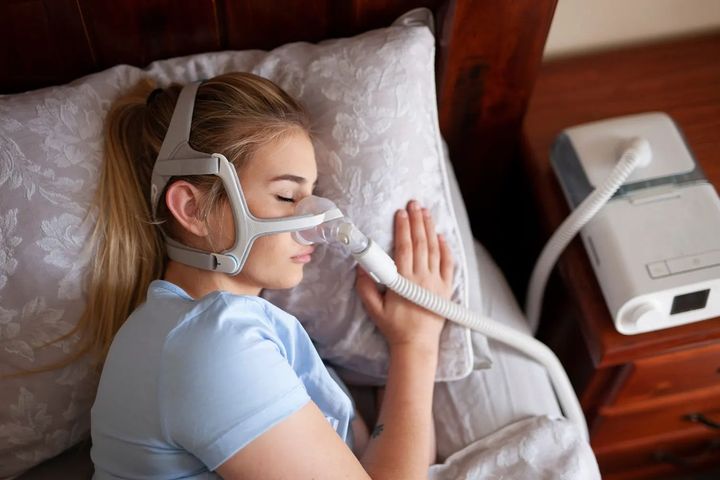
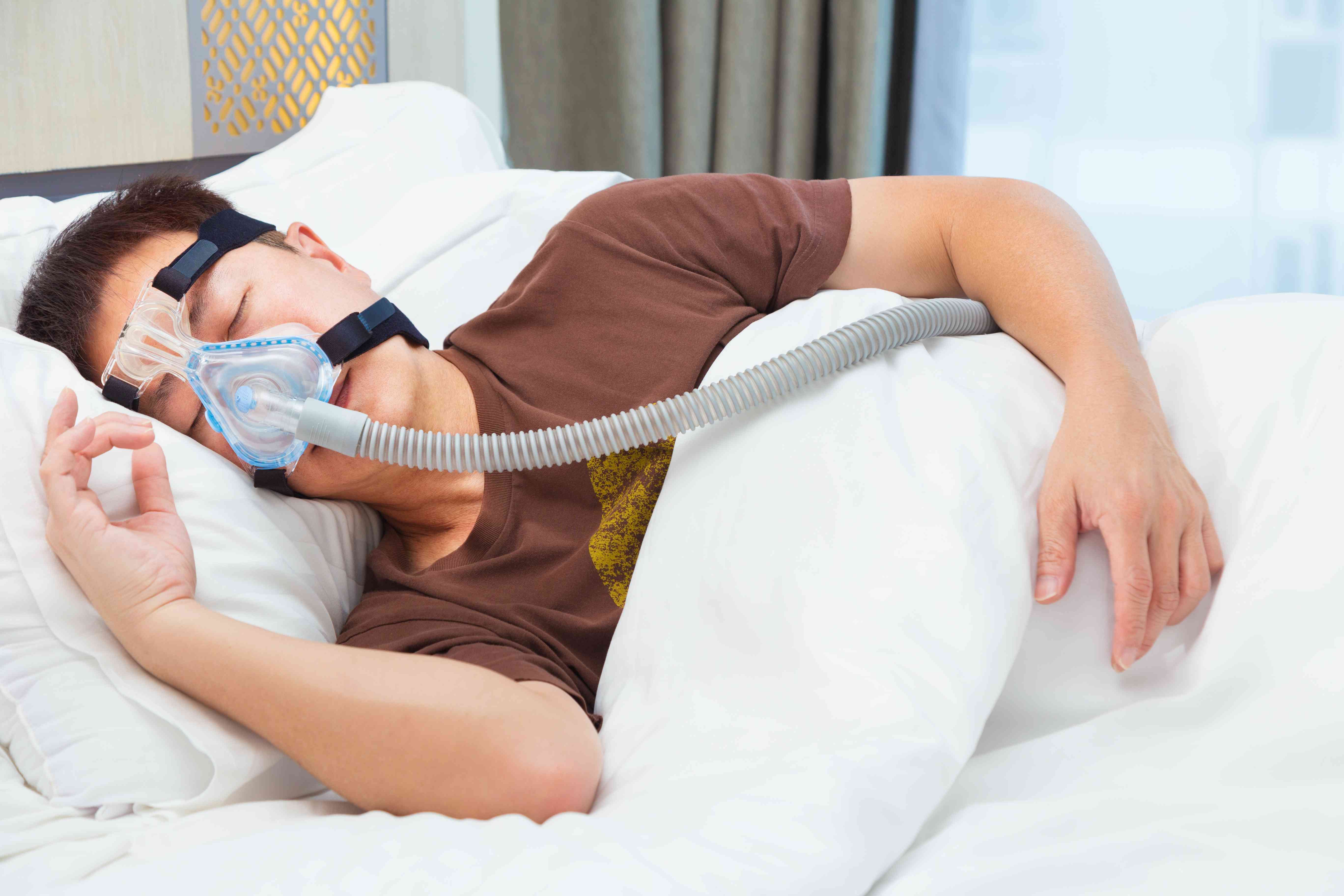
Sleep specialists, respiratory therapists, and clinicians often recommend medical devices such as CPAP machines, BiPAP systems, oral airway devices, and sleep monitoring tools as part of long-term treatment strategies. These devices aim to maintain open airways, improve oxygen flow, and reduce disruptions that can interfere with healthy sleep cycles.
Interest in sleep apnea therapy technology has increased significantly in recent years as awareness of sleep disorders grows. Studies in sleep medicine and respiratory health have shown that untreated sleep apnea may be associated with daytime fatigue, cardiovascular strain, and reduced quality of life. Because of this, the development of advanced sleep therapy equipment has become an important area within medical technology and digital health.
Modern sleep apnea devices now integrate features such as remote monitoring, AI-assisted therapy adjustments, and smartphone connectivity. These developments allow healthcare providers to monitor therapy effectiveness and help patients better understand their sleep patterns.
Why Sleep Apnea Devices Matter for Health and Sleep Quality
Sleep disorders affect millions of people worldwide, and obstructive sleep apnea is among the most commonly diagnosed sleep-related breathing conditions. The importance of sleep apnea devices lies in their role in maintaining uninterrupted breathing throughout the night.
Healthy sleep is essential for cognitive function, cardiovascular health, metabolic balance, and emotional well-being. When breathing repeatedly stops during sleep, oxygen levels may fluctuate, leading to fragmented sleep patterns and physiological stress.
Sleep apnea devices help address several challenges associated with sleep-related breathing disorders:
-
Maintaining steady airflow during sleep
-
Supporting oxygen stability in the bloodstream
-
Reducing snoring and breathing interruptions
-
Improving daytime alertness and sleep quality
-
Supporting long-term cardiovascular health monitoring
These devices are commonly recommended for individuals diagnosed through sleep studies or sleep monitoring tests. Healthcare professionals use data collected from sleep diagnostics to determine whether CPAP therapy, oral airway devices, or other treatments are appropriate.
Populations that may experience higher risk for sleep apnea include:
-
Adults with airway obstruction during sleep
-
Individuals experiencing chronic snoring or breathing pauses
-
People with certain anatomical airway conditions
-
Individuals with metabolic or respiratory risk factors
Because sleep apnea often remains undiagnosed, the expansion of digital sleep health tools and wearable monitoring technologies has made it easier to detect symptoms and seek medical evaluation.
Trends and Recent Updates in Sleep Apnea Device Technology
Sleep technology has evolved rapidly over the past few years, with innovations focused on comfort, digital monitoring, and personalized therapy.
Several developments during 2024–2025 have shaped the landscape of sleep apnea treatment devices.
• AI-assisted therapy adjustment
New CPAP machines now incorporate algorithms that automatically adjust airflow pressure throughout the night based on breathing patterns.
• Connected sleep monitoring systems
Manufacturers increasingly integrate wireless connectivity so therapy data can be shared with sleep clinics and healthcare providers.
• Compact travel-friendly CPAP devices
Portable therapy systems have become smaller and lighter, making sleep apnea management easier during travel.
• Improved mask technology
Advances in mask design focus on comfort, noise reduction, and better airflow distribution.
• Growth of wearable sleep tracking technology
Wearable sleep trackers now assist with identifying irregular breathing patterns that may indicate sleep apnea risk.
Below is an overview of commonly discussed sleep apnea device categories.
| Device Type | Primary Function | Typical Use |
|---|---|---|
| CPAP Machine | Continuous airflow pressure | Obstructive sleep apnea therapy |
| BiPAP Device | Two levels of air pressure | Complex breathing conditions |
| Oral Appliance | Jaw repositioning during sleep | Mild to moderate sleep apnea |
| Sleep Monitoring Devices | Track breathing and oxygen levels | Sleep disorder evaluation |
| Adaptive Servo-Ventilation | Advanced airflow control | Complex sleep apnea cases |
Recent research in 2025 sleep technology trends also focuses on improving therapy adherence, since many individuals initially find CPAP therapy challenging. Comfort features, quieter motors, and better mask materials have been introduced to address this issue.
Regulations and Health Policies Related to Sleep Apnea Devices
Sleep apnea devices are considered regulated medical devices in most countries because they directly influence respiratory function. Regulatory oversight helps ensure safety, performance standards, and proper clinical usage.
In the United States, sleep apnea therapy equipment is regulated by the Food and Drug Administration (FDA) under medical device guidelines. Manufacturers must demonstrate safety and effectiveness through clinical testing and regulatory review before devices can enter the healthcare market.
In India, sleep apnea diagnostic systems and respiratory therapy devices are regulated under the Central Drugs Standard Control Organization (CDSCO) medical device rules. These regulations require compliance with safety standards and product quality guidelines.
Common regulatory requirements often include:
-
Clinical safety evaluation
-
Manufacturing quality standards
-
Medical device certification
-
Device labeling and instructions for use
-
Post-market safety monitoring
Healthcare providers typically recommend these devices following medical evaluation and sleep diagnostics. Government health programs in some countries also include sleep disorder awareness campaigns to encourage early diagnosis.
Regulation plays an important role in ensuring that sleep therapy technologies meet consistent safety and quality benchmarks while supporting ongoing innovation in medical technology.
Helpful Tools and Digital Resources for Sleep Apnea Awareness
Modern sleep health management often combines medical devices with digital tools, educational platforms, and sleep analysis resources. These tools help individuals and healthcare professionals understand sleep patterns and therapy outcomes.
Common categories of sleep apnea tools include:
• Sleep tracking applications
Apps that analyze sleep duration, breathing irregularities, and movement patterns.
• Sleep quality calculators
Online tools that estimate sleep efficiency and recommended sleep duration.
• Respiratory health monitoring platforms
Systems used by clinicians to review therapy data collected from CPAP devices.
• Sleep disorder educational websites
Resources explaining sleep apnea symptoms, diagnosis methods, and treatment approaches.
• Telehealth sleep consultation platforms
Digital healthcare services that allow sleep specialists to review patient data remotely.
The following table highlights examples of sleep health resources.
| Tool Category | Purpose | Example Use |
|---|---|---|
| Sleep Tracker Apps | Monitor sleep cycles | Personal sleep pattern insights |
| CPAP Therapy Dashboards | Review therapy data | Used by sleep clinics |
| Online Sleep Calculators | Estimate sleep needs | Educational awareness |
| Digital Sleep Journals | Track sleep habits | Behavior monitoring |
| Telehealth Platforms | Remote consultation | Sleep specialist evaluation |
These resources often complement clinical diagnosis and medical treatment, helping individuals become more aware of their sleep health.
Frequently Asked Questions About Sleep Apnea Devices
What is the most common device used for sleep apnea therapy?
Continuous Positive Airway Pressure (CPAP) machines are widely used to support airflow during sleep. They deliver a steady stream of air through a mask to keep the airway open.
How do sleep apnea devices improve breathing during sleep?
These devices help maintain airway stability by applying controlled air pressure or repositioning the jaw, which reduces airway obstruction and breathing interruptions.
Are sleep apnea devices used for long-term therapy?
Many individuals use sleep apnea therapy devices over extended periods as part of ongoing treatment plans recommended by sleep specialists.
Can sleep apnea be identified without medical testing?
Symptoms such as loud snoring, breathing pauses, or daytime fatigue may suggest sleep apnea, but formal diagnosis typically requires a sleep study or medical evaluation.
What technologies are shaping the future of sleep apnea treatment?
Emerging technologies include AI-driven airflow adjustments, connected CPAP devices, wearable sleep trackers, and advanced respiratory monitoring systems.
Conclusion
Sleep apnea devices play a significant role in the management of sleep-related breathing disorders. By supporting consistent airflow and improving nighttime breathing stability, these technologies contribute to healthier sleep patterns and improved daily functioning.
Advances in sleep medicine, digital monitoring tools, and medical device engineering have expanded the options available for diagnosing and managing sleep apnea. Recent innovations in AI-based therapy adjustments, connected monitoring platforms, and wearable sleep technology highlight the growing intersection between healthcare and digital health systems.
Regulatory oversight from medical authorities ensures that sleep apnea therapy equipment meets established safety and quality standards. At the same time, educational resources and sleep health tools continue to improve public awareness of sleep disorders.