Transformation Pipes: A Complete Guide with Key Insights & Practical Tips
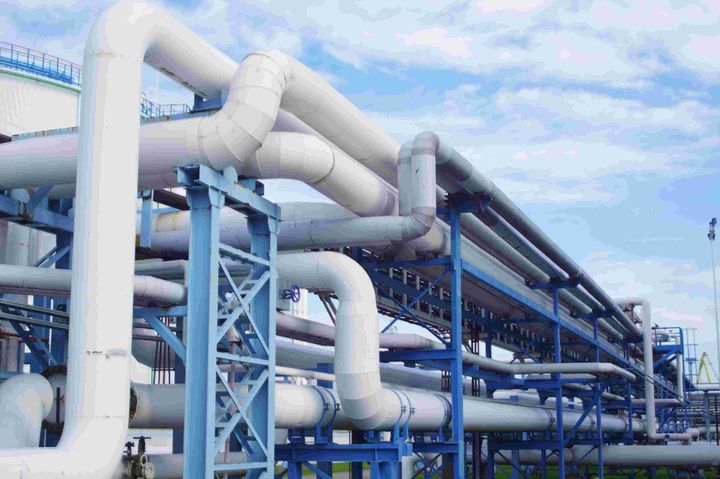
Understanding the Concept Transformation pipes represent a broad category of industrial and structural components used to guide, modify, or transition materials, fluids, or mechanical functions within engineering systems. The term refers to pipes that facilitate change—such as shape transitions, size adjustments, directional shifts, pressure variations, or material routing in controlled environments. These components are seen across infrastructure development, industrial engineering, smart manufacturing, and modern mechanical systems.
They exist because industrial processes rarely maintain one uniform dimension or flow. Many systems require transitional elements to connect different pipe diameters, shift from one section to another, or support complex fluid dynamics. Transformation pipes help ensure smooth movement and consistent performance in sectors such as wastewater management, energy networks, chemical processing, construction, food technology, and transportation pipelines.
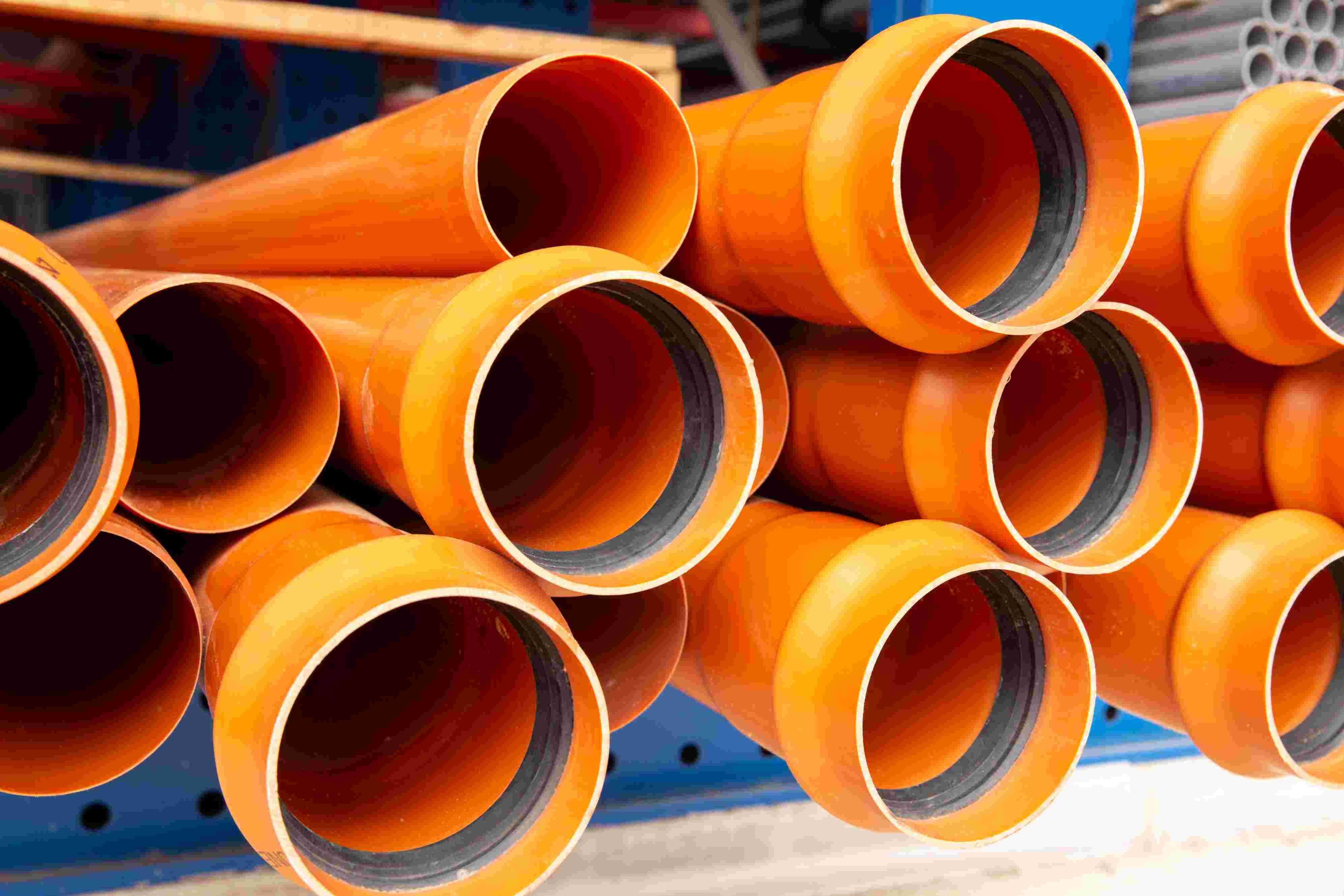
Their purpose is functional rather than decorative. They help bridge gaps between system parts, reduce mechanical stress, maintain structural stability, and improve the reliability of engineering networks. As industries move toward automation and energy-efficient systems, these components remain essential to system integrity.
Why This Topic Matters
Transformation pipes matter today because nearly every industrial or municipal system depends on controlled flow and mechanical precision. Whether it's water distribution, industrial waste routing, HVAC frameworks, manufacturing processes, or large-scale infrastructure, these pipes support the physical pathways that keep systems working.
They are especially relevant to:
• Engineers developing mechanical systems
• Urban planners designing infrastructure networks
• Manufacturing professionals working with process pipelines
• Environmental and water-treatment specialists
• Construction and industrial project teams
• Research professionals studying fluid dynamics
Their importance also increases due to growing attention on energy efficiency, sustainability, and long-term structural performance. Transition fittings and pipes help reduce flow losses, minimize leaks, optimize pressure distribution, and extend equipment lifespan.
Transformation pipes help solve practical problems such as:
• Mismatch between pipe sizes
• Pressure inconsistencies within systems
• Directional changes in fluid flow
• Integration of new components with older infrastructure
• Reduction of turbulence in pipelines
• Support for advanced materials and structural components
• Compatibility across different industrial standards
As new industries adopt smart technology, IoT-enabled manufacturing systems, and enhanced mechanical automation, reliable transitional piping remains a foundational requirement.
Recent Updates and Trends
In the past year, several developments have influenced the design, use, and research of transformation pipes. These updates reflect materials innovation, sustainability priorities, and modernization of infrastructure.
Material Advancements (2024–2025):
Lightweight composites, corrosion-resistant alloys, and engineered plastics are increasingly used to improve durability and energy efficiency. Research published in 2024 highlights expanded use of high-density polymer pipes in environmental and chemical sectors due to their resistance to abrasion and chemical degradation.
Smart Manufacturing Integration (2024):
Manufacturing systems now use digital modelling, predictive maintenance tools, and sensor-enabled pipelines to monitor flow changes. Transformation pipes are being designed with compatibility for smart factory layouts, supporting automation and real-time monitoring.
Infrastructure Modernization Projects (2024–2025):
Many countries updated standards for water management, irrigation lines, and industrial pipelines. Transition components have been emphasized for leakage reduction and long-term system resilience in public projects.
Sustainability and Low-Loss Systems (2024):
Energy-efficient pipeline engineering continues to grow. Recent industry discussions highlight the importance of minimizing turbulence and pressure loss, making transitional fittings more critical.
Construction Sector Adoption (2025):
The construction industry increasingly relies on modular mechanical systems, where transformation pipes serve as connectors between prefabricated units.
These trends show a clear shift toward stronger materials, smarter systems, and better-designed components.
Regulations and Policy Considerations
Transformation pipes are influenced by general engineering standards, national building codes, environmental guidelines, and industrial safety norms. While policies vary across countries, several common regulatory themes shape how these components are designed and used.
Engineering and Industrial Standards:
Most countries follow standardized specifications from national or international bodies. These include requirements for material strength, pressure ratings, corrosion resistance, manufacturing accuracy, and testing procedures.
Examples of typical referenced standards include:
• Mechanical and structural codes used in construction engineering
• Guidelines for industrial pipeline engineering
• Environmental rules for wastewater, chemical, or municipal systems
Infrastructure Guidelines:
Government infrastructure programs frequently outline the required specifications for pipes used in public water systems, drainage networks, irrigation channels, and energy pipelines. Transition components must align with these specifications to ensure compatibility and safety.
Environmental Compliance:
Environmental regulations often focus on preventing leakage, contamination, and chemical exposure. Transformation pipes must support stable flow transitions to reduce risk in sensitive systems such as wastewater or chemical handling frameworks.
Manufacturing and Material Safety Rules:
Policies often address:
• Acceptable materials
• Mandatory labeling
• Quality testing
• Pressure and temperature compliance
• Structural integrity requirements
Overall, these policies ensure that transformation pipes contribute to reliable, long-lasting, and environmentally responsible mechanical systems.
Tools and Resources
Various tools, digital platforms, and technical references help professionals understand, design, or evaluate transformation pipes. These resources support planning, material selection, flow calculations, and engineering accuracy.
Engineering Software and Calculators:
• Fluid flow calculators
• Pipeline pressure-loss calculators
• CAD modelling tools
• Material selection guides
• System-compatibility evaluators
Technical Databases:
• Materials engineering databases
• Mechanical properties libraries
• Industry research reports
• Structural component guides
Learning Resources:
• Engineering knowledge platforms
• Mechanical systems tutorials
• Infrastructure design handbooks
• Fluid dynamics textbooks
Project Planning Tools:
• Pipeline layout planners
• Measurement and dimensioning templates
• Flow-analysis charts
• Maintenance record templates
These tools help professionals make informed decisions, ensuring system performance remains stable and predictable.
Frequently Asked Questions
What are transformation pipes used for?
They are used to connect different pipe sizes or shapes, redirect flow, adjust pressure, or integrate components within mechanical and industrial systems. Their purpose is to maintain structural stability and efficient flow.
Are they specific to one industry?
No. Transformation pipes are found in various sectors including manufacturing, construction, infrastructure, agriculture, water systems, and environmental engineering. Any system that involves fluid flow or material transfer may use them.
How do engineers choose the right type?
Selection depends on factors such as material compatibility, pressure requirements, temperature exposure, environmental conditions, and system dimensions. Engineers often use calculators and design software for accurate decisions.
Do these pipes affect system efficiency?
Yes. Transitions influence flow patterns, turbulence levels, and pressure distribution. Well-designed transformation components help maintain efficiency and reduce mechanical wear.
Are there standard sizes and shapes?
Yes. Most follow industry specifications that define diameters, wall thickness, transition angles, and connection types. Standards help ensure compatibility across different systems and components.
Conclusion
Transformation pipes play a vital role in connecting components within mechanical, industrial, and infrastructure systems. They exist to bridge differences in size, direction, material flow, and system requirements. Their importance continues to grow as industries shift toward smart manufacturing, energy efficiency, and improved structural design.
Recent developments show increasing use of advanced materials, digital modelling, and sustainability-focused engineering. Regulatory guidelines ensure that these components meet safety, performance, and environmental standards. With the support of modern tools, calculators, and technical resources, professionals can design and maintain reliable systems that depend on precise transitions.
Understanding how transformation pipes function provides valuable insight into fluid dynamics, industrial engineering, and infrastructure planning. Their role as fundamental connectors makes them essential to modern technical development.