Understanding Mobile Cranes: Overview, Facts, and Helpful Insights
Mobile cranes are powerful lifting machines designed to move heavy materials and equipment across construction and industrial sites. Unlike fixed cranes that remain permanently installed in one location, mobile cranes are mounted on wheeled or tracked carriers, allowing them to travel between locations and adapt to different project environments.
The primary purpose of mobile cranes is to lift, lower, and transport heavy loads safely and efficiently. They are commonly used in infrastructure development, building construction, logistics yards, manufacturing facilities, and energy projects.
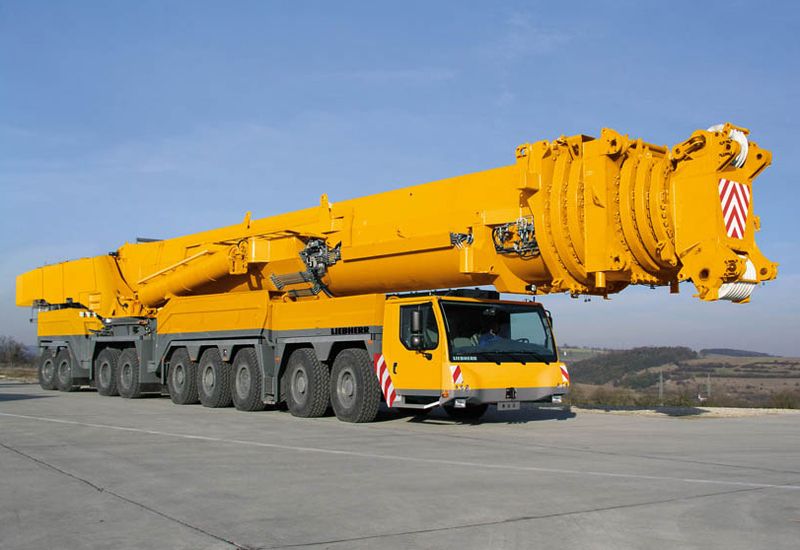
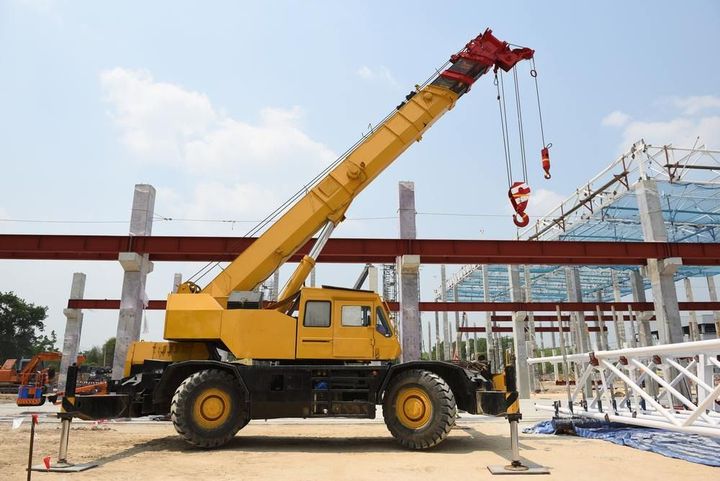
A typical mobile crane includes several essential components:
-
A boom, which is the long arm used for lifting loads
-
A counterweight that balances the load
-
A hoist system with cables and hooks
-
A carrier vehicle that enables mobility
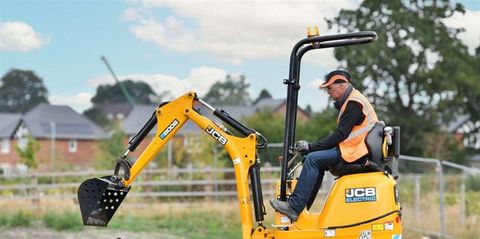
These cranes can vary widely in size and lifting capacity. Some are compact machines designed for tight urban spaces, while others are massive machines capable of lifting hundreds of tons.
The development of mobile cranes has significantly improved productivity in construction and heavy industries by allowing large materials to be lifted and positioned precisely with minimal manual effort.
Why Mobile Cranes Matter in Modern Infrastructure
Mobile cranes play a critical role in modern infrastructure and industrial operations. Their ability to lift extremely heavy materials safely makes them indispensable in projects that involve large structural components.
The demand for mobile cranes continues to grow due to rapid urban development and infrastructure expansion across many regions. Large projects such as bridges, highways, commercial buildings, wind energy installations, and industrial plants rely heavily on these machines.
Key benefits of mobile cranes include:
-
Flexibility: They can move easily between sites and reposition within a project area.
-
Efficiency: Large loads can be lifted quickly, reducing project timelines.
-
Precision: Advanced control systems allow operators to position loads accurately.
-
Safety improvements: Modern cranes incorporate sensors, stability monitoring, and load management systems.
Industries that frequently use mobile cranes include:
-
Construction and real estate development
-
Infrastructure and transportation projects
-
Energy and utilities
-
Shipping ports and logistics centers
-
Industrial manufacturing plants
The ability to handle heavy structural components such as steel beams, precast concrete panels, and large mechanical equipment makes mobile cranes a central part of many large-scale operations.
The following table illustrates common types of mobile cranes and their typical applications.
| Mobile Crane Type | Key Characteristics | Common Applications |
|---|---|---|
| Truck-mounted crane | Mounted on a commercial truck chassis | Road construction and building projects |
| Rough-terrain crane | Designed for uneven ground | Infrastructure and remote construction sites |
| All-terrain crane | Combines highway mobility with off-road capability | Large infrastructure and industrial lifting |
| Crawler crane | Moves on tracks instead of wheels | Heavy lifting on large project sites |
| Carry deck crane | Compact crane with rotating boom | Industrial facilities and tight workspaces |
These machines help solve logistical challenges where heavy loads must be lifted in areas that lack permanent lifting structures.
Recent Developments and Industry Trends
Mobile crane technology has evolved significantly due to advancements in engineering, automation, and digital monitoring systems.
In recent months, several trends have shaped the crane industry:
Growth of smart crane systems
Modern cranes now include digital load monitoring, stability sensors, and real-time data tracking. These systems help operators monitor lifting conditions and reduce operational risks.
Integration of telematics and remote diagnostics
Many crane manufacturers now incorporate telematics technology that tracks machine performance and maintenance data. Fleet managers can monitor crane usage and equipment condition remotely.
Improved energy efficiency
Manufacturers have been developing hybrid and low-emission crane models designed to reduce environmental impact. These machines help construction projects meet stricter environmental guidelines.
Advanced operator assistance features
New crane models include automated safety alerts, anti-collision systems, and computerized lift planning tools. These innovations support safer lifting operations.
A simplified representation of how crane technology has evolved over time is shown below.
| Technology Stage | Key Features |
|---|---|
| Traditional cranes | Manual controls and limited monitoring |
| Modern cranes | Digital load indicators and improved hydraulics |
| Smart cranes | Telematics, sensors, and real-time diagnostics |
| Advanced crane systems | Data-driven safety monitoring and automation |
These innovations continue to improve operational safety and productivity in the construction sector.
Regulations and Safety Frameworks Affecting Mobile Crane Use
Mobile cranes operate in environments where safety is extremely important. Because they handle heavy loads and complex lifting operations, regulations and safety frameworks govern how these machines are used.
These rules typically address:
-
Operator training and certification requirements
-
Equipment inspection and maintenance standards
-
Load capacity limitations
-
Workplace safety guidelines
-
Lift planning procedures
Many countries follow internationally recognized safety frameworks that emphasize equipment inspections, operator training, and workplace risk assessments.
Common regulatory elements include:
-
Routine equipment inspections to identify mechanical issues
-
Load chart compliance to ensure cranes do not exceed safe lifting limits
-
Safety perimeter rules around lifting operations
-
Operator qualification standards for crane operators
Construction companies typically develop lift plans before complex operations. These plans outline load weight, crane configuration, weather conditions, and site layout to minimize risk.
Safety organizations and industry associations often publish guidelines and training materials to improve safe crane operations.
Helpful Tools, Digital Platforms, and Planning Resources
A variety of digital tools and resources support crane operators, project managers, and engineers in planning safe lifting operations.
These resources help estimate load capacity, calculate lifting angles, and plan crane positioning.
Common digital resources used in crane planning include:
-
Crane load chart calculators
-
Lift planning software
-
Equipment fleet management platforms
-
Safety training portals
-
Construction site planning tools
Some widely used crane planning tools include:
-
Crane lift planning software that visualizes lifting operations in 3D
-
Load weight estimation calculators for construction materials
-
Equipment inspection tracking systems
-
Digital crane manuals and safety guides
Example categories of crane-related digital tools are shown below.
| Tool Category | Purpose |
|---|---|
| Load capacity calculators | Determine safe lifting limits |
| Lift planning software | Simulate crane positioning and movement |
| Fleet monitoring platforms | Track equipment usage and maintenance |
| Safety training portals | Provide operator education resources |
These tools help improve operational planning and reduce risk during complex lifting operations.
Frequently Asked Questions About Mobile Cranes
What is the main function of a mobile crane?
A mobile crane is designed to lift, lower, and move heavy materials within construction or industrial sites. Its mobility allows it to travel between locations while performing lifting tasks.
How much weight can a mobile crane lift?
The lifting capacity of a mobile crane varies depending on its size, configuration, and boom length. Some compact cranes lift a few tons, while large all-terrain cranes can lift several hundred tons under controlled conditions.
What factors affect crane lifting capacity?
Several factors influence lifting capacity, including:
-
Boom length and angle
-
Load radius (distance from the crane)
-
Ground stability
-
Counterweight configuration
-
Weather conditions such as wind
Operators use load charts provided by manufacturers to determine safe lifting limits.
Why is lift planning important?
Lift planning ensures that heavy loads can be moved safely. A lift plan considers equipment capacity, load weight, environmental conditions, and site layout before a crane operation begins.
What industries rely most on mobile cranes?
Mobile cranes are widely used in:
-
Building construction
-
Infrastructure development
-
Energy and power projects
-
Industrial manufacturing
-
Shipping ports and logistics operations
These industries depend on cranes to handle large components that cannot be moved manually.
Conclusion
Mobile cranes are essential machines in modern construction and industrial operations. Their ability to lift and move heavy loads efficiently makes them vital for large infrastructure projects, manufacturing facilities, and logistics environments.
Over time, mobile crane technology has evolved to include advanced safety systems, digital monitoring tools, and improved operational efficiency. These advancements help reduce risks and support more complex lifting tasks.
Understanding how mobile cranes work, the regulations that guide their use, and the tools that assist crane planning can provide valuable insight into one of the most important machines in the construction industry.